
 A Oneindia Venture


 Click it and Unblock the Notifications

Fonebox Retail Ltd. IPO
Fonebox Retail Ltd., established in 2021, operates in the Retail - Speciality - Non Apparel sector. The company's IPO opened on January 24, 2024 and closed on January 29, 2024, with an issue price of ... Read more
IPO Timeline
-
24 Jan 2024Bidding Starts
-
29 Jan 2024Bidding Ends
-
30 Jan 2024Allotment Finalization
-
1 Feb 2024Listing
About Fonebox Retail Ltd.
Our Company is engaged in multi-brand retail selling of Smart Phones and allied accessories from manufacturers like Vivo, Apple, Samsung, Oppo, Realme, Nokia, Narzo, Redmi, Motorola, LG and Micromax. We are also engaged in multi-brand retail selling of consumer durable electronics goods like ... Read more
Fonebox Retail Ltd. IPO Reservation
| Investors Category | Shares Offered |
|---|---|
| Anchor Investors | 8,26,000 (28.38%) |
| Market Makers | 1,46,000 (5.02%) |
| Non Institutional Investors | 4,16,000 (14.3%) |
| Qualified Institutional Buyers (QIBs) | 5,52,000 (18.97%) |
| Retail Individual Investors (RIIs) | 9,70,000 (33.33%) |
Fonebox Retail Ltd. Financial Information
| Year End | Revenue | PAT | Reserves & Surplus |
|---|---|---|---|
| 31 Mar 2024 | 297.67 Cr | 3.43 Cr | 19.69 Cr |
| 31 Mar 2023 | 196.26 Cr | 1.60 Cr | 1.70 Cr |
| 31 Mar 2022 | 90.92 Cr | 12.79 Lakh | 10.43 Lakh |
Fonebox Retail Ltd. Background
Our Company was originally incorporated as “Fonebox Retail Private Limited” a private limited company under the provision of Companies Act, 2013 vide Certificate of Incorporation dated February 05, 2021 issued by Registrar of Companies, Central Registration Centre. Later on, our ...
Read more-
2023Crossed turnover of ₹19500.00 Lakhs in FY 2022-23
Our company was converted into Public Limited Company under the name of “Fonebox Retail Limited”
1. To Meet Working Capital Requirements
2. General corporate purposes
| Pricing Details | BSE | NSE |
|---|---|---|
| Issue Price | - | ₹ 70.00 |
| Open | - | ₹ 200.00 |
| Low | - | ₹ 190.00 |
| High | - | ₹ 210.00 |
| Last Trade | - | ₹ 210.00 |
1. Mr. Manishbhai Girishbhai Patel
2. Mr. Jigar Lallubhai Desai
3. Mr. Parth Lallubhai Desai
4. Mr. Jigneshkumar Dashrathlal Parekh
5. Mr. Amitkumar Gopalbhai Patel
GLOBAL OUTLOOK
Global growth has slowed to the extent that the global economy is perilously close to falling into recession—defined as a contraction in annual global per capita income—only three years after emerging from the pandemic-induced recession of 2020. Very high inflation
...
Read more
Phone no:46025304
FAQs
When does Fonebox Retail Ltd. IPO opens and closes?
What is the size of Fonebox Retail Ltd. IPO?
What is the price range of Fonebox Retail Ltd. IPO?
What is the minimum investment and lot size required for the Fonebox Retail Ltd. IPO?
When is Fonebox Retail Ltd. IPO listing date?
What is the objective of Fonebox Retail Ltd. IPO?
2. General corporate purposes
Disclaimer: This is 3rd Party content/feed, viewers are requested to use their discretion and conduct proper diligence before investing, GoodReturns does not take any liability on the genuineness and correctness of the information in this article
-
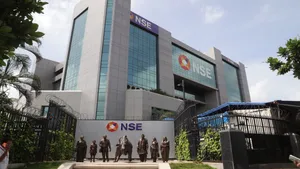 NSE IPO Update: Mega Listing Soon as DRHP Filing Likely on June 15-16; OFS Expected Without Fresh Share Issue
 -
 CMR Green Technologies IPO Listing: New Metal Stock Debuts At 43.4% Premium On BSE, 40% On NSE; Buy Or Sell?
 -
 Zepto IPO Updates: DRHP for Rs 9,500-Crore Public Issue Filed; OFS, Lead Managers & All Key Things to Know
 -
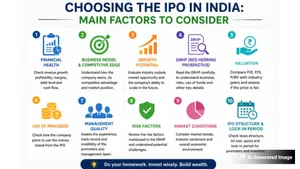 Choosing the IPO in India: Main Factors to Consider
 -
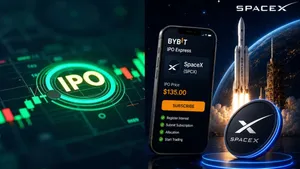 SpaceX IPO Goes Crypto: Bybit Launches IPO Express, Opens Access to Tokenized Shares
 -
 CMR Green Technologies IPO Subscription Hits 12707% on Final Day; GMP At 40% Listing Gain; Check Allotmen
 -
 OYO IPO Back On Track! Parent Firm PRISM Gets SEBI Nod For D-Street Debut | IPO Timeline Revealed!
 -
 CMR Green Technologies IPO GMP Jumps 27% Before Opening Day; Can It Deliver Big Listing Gains?
 -
 The Trillion‑Dollar Question: Can AI IPOs Live Up To The Hype?
 -
 CMR Green Technologies IPO Vs Hexagon Nutrition IPO? Top Differences Investors Must Know Before Applying
-
Block for 8 hours
-
Block for 12 hours
-
Block for 24 hours
-
Don't block

 Sign in with Google
- Male
- Female
- Others
- Under 18
- 18 to 25
- 26 to 35
- 36 to 45
- 45 to 55
- 55+