
 A Oneindia Venture


 Click it and Unblock the Notifications

Z-Tech (India) Ltd. IPO
Z-Tech (India) Ltd., established in 1994, operates in the Engineering - General sector. The company's IPO opened on May 29, 2024 and closed on May 31, 2024, with an issue price of ₹110. The Z-Tech ... Read more
IPO Timeline
-
29 May 2024Bidding Starts
-
31 May 2024Bidding Ends
-
3 Jun 2024Allotment Finalization
-
4 Jun 2024Listing
About Z-Tech (India) Ltd.
Our company originally designs civil engineering products and services with state-of-the-art specialty in Geo- Technical Specialised Solutions in the field of infrastructure and civil construction projects to India. It includes a range of techniques, methodologies, and technologies aimed at ... Read more
Z-Tech (India) Ltd. IPO Reservation
| Investors Category | Shares Offered |
|---|---|
| Anchor Investors | 9,66,000 (28.49%) |
| Market Makers | 1,70,400 (5.02%) |
| Non Institutional Investors | 4,83,600 (14.26%) |
| Qualified Institutional Buyers (QIBs) | 6,43,200 (18.97%) |
| Retail Individual Investors (RIIs) | 11,28,000 (33.26%) |
Z-Tech (India) Ltd. Financial Information
| Year End | Revenue | PAT | Reserves & Surplus |
|---|---|---|---|
| 31 Mar 2023 | 25.88 Cr | 2.03 Cr | 9.30 Cr |
| 31 Mar 2022 | 30.84 Cr | 86.95 Lakh | 7.27 Cr |
| 31 Mar 2021 | 22.71 Cr | 39.88 Lakh | 6.40 Cr |
Z-Tech (India) Ltd. Background
Our Company was incorporated as a private limited company with the name of “Z-Tech (India) Private Limited” under the Companies Act, 1956 vide certificate of incorporation dated November 09, 1994 issued by Registrar of Companies, Delhi, bearing Registration No. 62582. Further, our ...
Read more-
1994Incorporation of Company
-
2023Conversion from Private Limited Company into Public Company
1. Working Capital Requirement
2. General Corporate Purposes
3. Issue Expenses
| Pricing Details | BSE | NSE |
|---|---|---|
| Issue Price | - | ₹ 110.00 |
| Open | - | ₹ 100.00 |
| Low | - | ₹ 99.20 |
| High | - | ₹ 105.00 |
| Last Trade | - | ₹ 105.00 |
1. Ms. Sanghamitra Borgohain
2. M/s Terramaya Enterprises Private Limited.
Indian Waste water Industry
Market Definition
Water & Wastewater treatment (WWT) includes processes that purify water & manage sewage. It utilizes technologies, products, and services to improve water quality for diverse purposes & ensure environmentally friendly wastewater
...
Read more
Phone no:35017243
FAQs
When does Z-Tech (India) Ltd. IPO opens and closes?
What is the size of Z-Tech (India) Ltd. IPO?
What is the price range of Z-Tech (India) Ltd. IPO?
What is the minimum investment and lot size required for the Z-Tech (India) Ltd. IPO?
When is Z-Tech (India) Ltd. IPO listing date?
What is the objective of Z-Tech (India) Ltd. IPO?
2. General Corporate Purposes
3. Issue Expenses
Disclaimer: This is 3rd Party content/feed, viewers are requested to use their discretion and conduct proper diligence before investing, GoodReturns does not take any liability on the genuineness and correctness of the information in this article
-
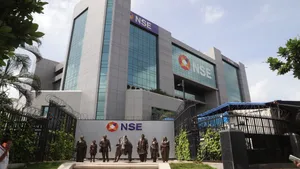 NSE IPO 2026: OFS Window Opens, April 27 Deadline Key for Shareholders; Check Eligibility, Lock-in Rules
 -
 CMPDI IPO Lists at 7% Discount on NSE, BSE; Weak Demand Keeps Stock Under Pressure Despite Mild Recovery
 -
 CMPDI IPO Allotment Today: Did You Get Shares? Check Status Now on KFin, NSE, BSE
 -
 Powerica IPO Off to Slow Start: GMP Up 1.2%, But Subscription Stuck at 0.01x; Is It Worth Applying?
 -
 CMPDI IPO Underwhelms: Day 2 Subscription At 10%, No Movement In GMP; What's Behind The Weak Demand?
 -
 Upcoming IPOs Next Week: CMPDI, Sai Parenteral, Powerica, Vivid Electromech, More | Check Full List
 -
 XED Executive Development IPO: GIFT City Sees First IPO; Price Band, Issue Size | All You Need to Know
 -
 Skyways Air IPO vs CMPDI IPO: Full Comparison of Price Band, GMP, Lot Size, Listing & Allotment Date
 -
 Coal India's CMPDI IPO GMP Shows 11% Listing Gain Potential; Everything You Need To Know
 -
 Big Change in IPO Rules: Govt Updates Minimum Public Offer Norms for for IPO-bound Firms
-
Block for 8 hours
-
Block for 12 hours
-
Block for 24 hours
-
Don't block

 Sign in with Google
- Male
- Female
- Others
- Under 18
- 18 to 25
- 26 to 35
- 36 to 45
- 45 to 55
- 55+