



 Click it and Unblock the Notifications

Devuthani Ekadashi Today, November 20, 2026: Vrat Timings, Puja Muhurat, Paran Time, Dos And Don'ts

Devuthani Ekadashi, also known as Devutthana Ekadashi or Prabodhini Ekadashi, is one of the significant Hindu religious observances marking the end of Chaturmas. In 2026, the festival comes with a date distinction, as householders and Vaishnav devotees may observe the Ekadashi vrat on different days, depending on their traditions and fasting rules.
Devuthani Ekadashi Today: Check Vrat Timings & Puja Shubh Muhurat on 20 November 2026
According to the panchang timings provided, the Ekadashi tithi begins at 7:15 am on Friday, November 20, and ends at 6:31 am on Saturday, November 21. While many householders will observe the fast on November 20, several Vaishnav devotees are expected to observe it on November 21. Devotees should follow their family tradition and local panchang when deciding the fasting date and the appropriate time to break the vrat.
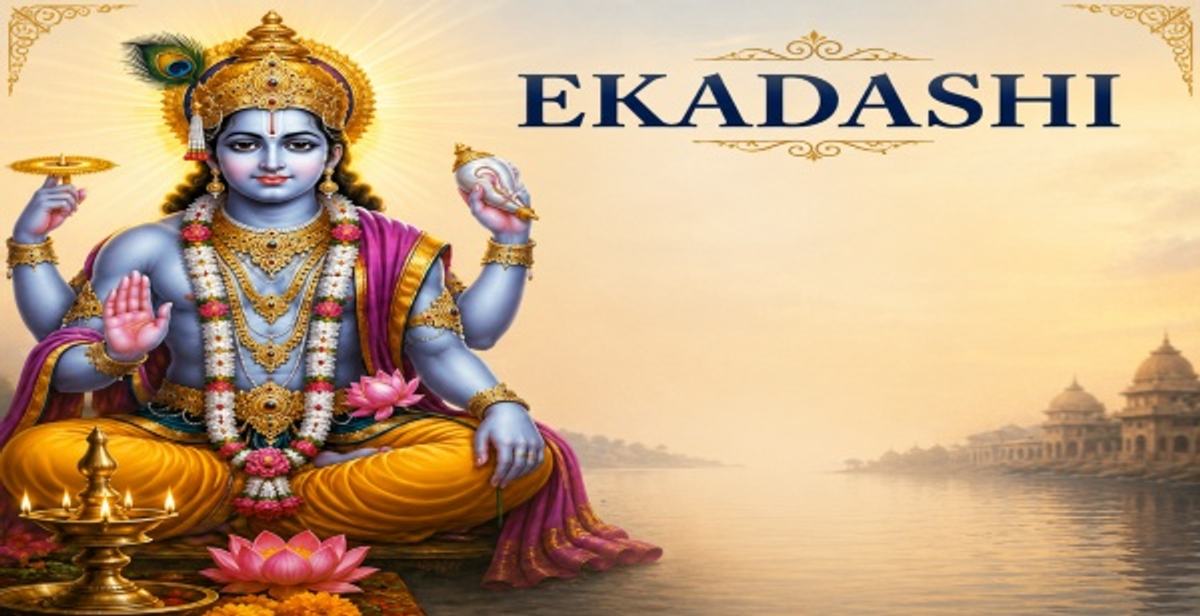
The occasion is considered spiritually important because devotees believe Lord Vishnu awakens from Yoga Nidra on this day, marking the conclusion of Chaturmas. The end of this period is traditionally associated with the resumption of weddings, engagements, housewarming ceremonies and other auspicious activities.
Devuthani Ekadashi 2026 Puja Timings
For devotees observing Devuthani Ekadashi on November 20, the suggested puja window is from 6:48 am to 10:47 am. Brahma Muhurat will be from 5:01 am to 5:54 am, while Abhijit Muhurat is from 11:45 am to 12:28 pm. Ravi Yoga is also expected to prevail throughout the day.
For those observing the vrat on November 21, the suggested puja window is from 8:08 am to 9:28 am. Brahma Muhurat will be from 5:01 am to 5:55 am, and Abhijit Muhurat will run from 11:46 am to 12:28 pm. Siddhi Yoga will also be present on this date.
These timings should be checked against the local panchang, as muhurat calculations can vary by location, sunrise time and the calendar system followed.
Devuthani Ekadashi 2026 Vrat Paran Time
Paran refers to the ritual breaking of the Ekadashi fast. Devotees traditionally complete the vrat during the prescribed Dwadashi period rather than breaking the fast at an arbitrary time.
Those observing the fast on November 20 can perform paran on November 21 between 1:11 pm and 3:18 pm, according to the timings provided. Devotees observing the fast on November 21 can break their fast on November 22 between 6:49 am and 8:56 am.
Hari Vasara is expected to end on November 21 at 12:07 pm. Many Vaishnav traditions advise devotees not to break the fast before Hari Vasara has ended. This is one of the factors contributing to the difference in fasting and paran schedules.
As fasting rules can vary, devotees should confirm their date-specific paran time with a local panchang or family priest.
How To Observe Devuthani Ekadashi Vrat
Devuthani Ekadashi is dedicated to Lord Vishnu, and devotees observe the day through fasting, prayer, charity and devotional activities. The vrat may be observed with different levels of restriction, depending on an individual's health, family customs and religious tradition.
Devotees generally begin the day with an early bath, wear clean clothes and offer prayers to Lord Vishnu. The puja may include flowers, lamps, incense, fruits and other offerings traditionally used in Vishnu worship. Reciting Vishnu mantras, reading religious texts and visiting a temple are also common practices.
Some devotees observe a strict fast without food or water, while others follow a fruit-based fast or consume permitted vrat foods. Those observing a fast should choose a form appropriate to their health and customary practice rather than attempting a strict fast if it could cause harm.
The day is also associated with Tulsi Vivah in many parts of India. The ritual symbolically celebrates the marriage of Tulsi with Lord Shaligram, a form associated with Lord Vishnu. Many devotees will observe Tulsi Vivah on November 21 in 2026, although the date can vary by regional tradition.
Devuthani Ekadashi 2026 Dos And Don'ts
Devotees observing the vrat are traditionally advised to maintain a calm and disciplined routine throughout the day. Worshipping Lord Vishnu, chanting prayers, performing acts of charity and treating others with kindness are considered important parts of the observance.
Those fasting should follow the food restrictions prescribed by their family tradition. Many devotees avoid grains, pulses, meat, alcohol and other foods considered unsuitable during the vrat. The exact rules differ across communities, so the customary fasting guidelines should be followed.
Devotees should also avoid breaking the fast before the prescribed paran time. Those following traditions that observe Hari Vasara should ensure that the period has ended before completing the vrat.
It is customary to avoid anger, arguments, harsh speech and harmful conduct on the day. Many devotees also choose to refrain from unnecessary indulgences and devote more time to prayer and religious activities.
Families planning weddings, engagements, property-related ceremonies or other major events should check the relevant local muhurat instead of assuming that every activity is automatically auspicious throughout Ekadashi.
Disclaimer: The views and recommendations expressed are solely those of the individual analysts or entities and do not reflect the views of Goodreturns.in or Greynium Information Technologies Private Limited (together referred as "we"). We do not guarantee, endorse or take responsibility for the accuracy, completeness or reliability of any content, nor do we provide any investment advice or solicit the purchase or sale of securities. All information is provided for informational and educational purposes only and should be independently verified from licensed financial advisors before making any investment decisions.

 Sign in with Google