



 Click it and Unblock the Notifications

Karwa Chauth 2026 on October 29: Know Puja Shubh Muhurat, Vrat, Moonrise Timings City-Wise, Sargi, Katha & All

Karwa Chauth 2026 will be observed across India on Thursday, October 29, with married women traditionally keeping a day-long fast for the long life, good health and well-being of their husbands. The festival is observed on the Chaturthi Tithi of Krishna Paksha in the Hindu month of Kartik.
Karwa Chauth 2026 Date: Check Puja Shubh Muhurat, Fast Timings, Moonrise, Rituals and Katha
According to the New Delhi Panchang, the Karwa Chauth puja muhurat will be from 5:38 pm to 6:56 pm, while the expected moonrise is at 8:17 pm. The fasting period is calculated from 6:31 am to 8:17 pm. Since moonrise and some ritual timings vary by location, devotees should check the local Panchang before planning their observance.
Karwa Chauth Tithi, Vrat, Puja Shubh Muhurat As Per Panchang & Hindu Calendar
Karwa Chauth falls on Thursday, October 29, 2026. The Chaturthi Tithi will begin at 1:06 am on October 29 and end at 10:09 pm on the same day, according to the Drik Panchang.
The key timings for Karwa Chauth 2026 in India are:
Karwa Chauth date: Thursday, October 29, 2026
Puja shubh muhurat: 5:38 pm to 6:56 pm
Vrat or upavasa time: 6:31 am to 8:17 pm
Expected moonrise in New Delhi: 8:17 pm
Chaturthi Tithi begins: 1:06 am on October 29
Chaturthi Tithi ends: 10:09 pm on October 29
Karwa Chauth in 2026 also coincides with Sankashti Chaturthi, a monthly observance dedicated to Lord Ganesha. Sankashti Chaturthi is associated with fasting, prayers and the sighting of the Moon, although its rituals and purpose are distinct from those of Karwa Chauth.
Karwa Chauth 2026 Moonrise Time Citywise: When Will Moon Appear on 29 October 2026?
Moonrise is one of the most important parts of Karwa Chauth because the traditional fast is broken only after the Moon has been sighted and arghya has been offered. In New Delhi, the Moon is expected to rise at around 8:17 pm on October 29.
However, the time differs across cities. The expected moonrise is around:
Kolkata: 7:47 pm
Lucknow: 8:06 pm
Jaipur: 8:28 pm
Hyderabad: 8:41 pm
Bengaluru: 8:55 pm
Mumbai: 9:00 pm
These are indicative timings, and devotees should check the local Panchang for their city.
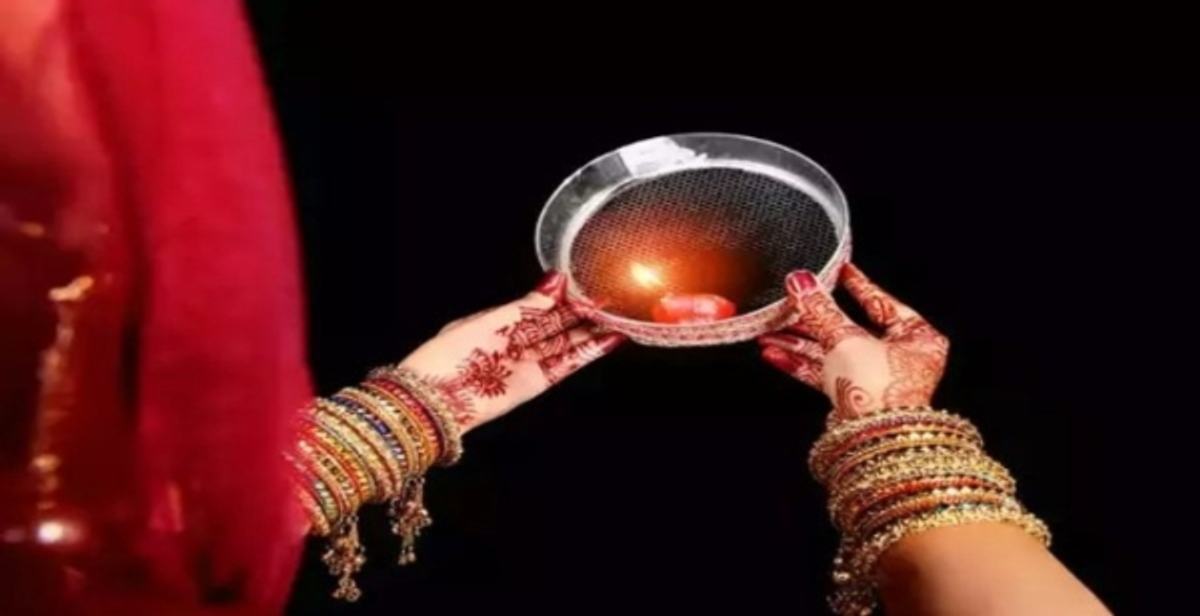
After the Moon becomes visible, women traditionally look at it through a sieve, offer water to Chandra Dev and pray for their husband's well-being. In many households, they then look at their husbands through the sieve before completing the fast. The exact sequence and customs may differ between families and regions.
Karwa Chauth 2026 Sargi Ritual Before Sunrise
The day usually begins with sargi, a pre-dawn meal traditionally prepared or sent by the mother-in-law. It is eaten before sunrise, after which the woman begins her fast. The meal commonly includes fruits, sweets, dry fruits, milk-based preparations and other foods chosen according to family custom.
Sargi is intended to help women prepare for the long fasting period ahead. Those observing the fast should plan the meal according to their needs and avoid eating in a hurry. Drinking sufficient water before the fasting period begins may also help those who are following a traditional fast without water.
Karwa Chauth Puja Vidhi: Check Do's & Don'ts
The evening puja is a central part of the festival. Women arrange the puja thali, light a diya and offer flowers, kumkum, sindoor, sweets and other traditional offerings. A karwa, or small pot traditionally used to hold water, is also an important ritual item.
Goddess Parvati is worshipped as a symbol of marital well-being, while prayers are also offered to Lord Shiva and Lord Ganesha. Kartikeya and Karwa Mata may be included in the worship according to family or regional traditions.
Women often gather together to listen to the Karwa Chauth vrat katha and participate in customary rituals involving the karwa. Some communities pass the karwa or puja thali around the group while reciting prayers. The observance may include devotional songs and other family traditions.
Once the puja and katha are completed, devotees wait for moonrise. After sighting the Moon, they offer arghya, traditionally using water, and pray for the well-being of their husbands. Many women then view the Moon and their husbands through a sieve before breaking the fast with water and food.
Karwa Chauth Vrat Katha
One of the best-known stories associated with Karwa Chauth is the tale of Veeravati, a woman whose devotion to her husband forms the central theme of the vrat katha. Versions of the story differ across regions and families.
In a commonly recited version, Veeravati observes a strict fast but becomes distressed by hunger and thirst as the day progresses. Her brothers attempt to end her suffering by creating the appearance of moonrise, prompting her to break the fast before the actual Moon appears. The premature conclusion of the fast is followed by misfortune involving her husband.
Veeravati later learns the importance of completing the observance according to the prescribed rituals. Through her devotion and prayers, she seeks divine grace and the restoration of her husband's well-being.
Karwa Chauth Vrat Rules and Precautions
Traditionally, Karwa Chauth is observed as a nirjala vrat, which means abstaining from both food and water from before sunrise until the Moon is sighted.
Some important rules and precautions to keep in mind are:
- Eat sargi before sunrise.
- Prepare the puja items in advance.
- Listen to or recite the vrat katha.
- Complete the traditional rituals before breaking the fast.
A strict fast without water may not be suitable for everyone. People with diabetes or other medical conditions, those taking medicines that require food or water, pregnant women and anyone who is unwell should seek medical advice.

 Sign in with Google