



 Click it and Unblock the Notifications

Trump Tariff Threat: India, China And 14 Other Countries May Face Fresh US Duties Over Industrial Subsidies

The United States (US) is considering fresh tariffs on India, China and 14 other economies over alleged industrial subsidies and excess production capacity, according to a report by The Wall Street Journal. The move could increase costs for Indian exporters and complicate ongoing trade negotiations between New Delhi and Washington, with the final tariff rates and affected products yet to be announced.
Trump Tariffs: US Plans Fresh Duties On India, China And 14 Other Countries
US Trade Representative Jamieson Greer is expected to announce the findings of an investigation launched on March 11 into industrial subsidies and excess production capacity in 16 economies. Washington believes that government support has allowed foreign manufacturers to produce goods in excessive quantities and sell them at prices that put American companies at a disadvantage.
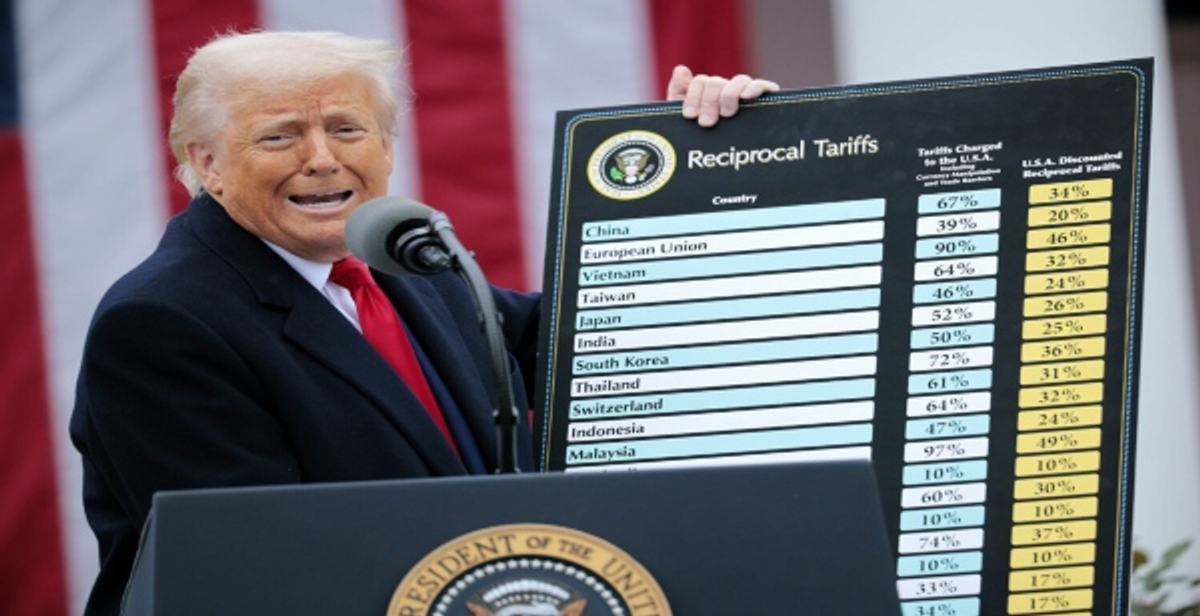
According to the report, the proposed tariffs could cover a wide range of products. Steel, aluminium and automobiles may be excluded because these categories already face separate US tariffs imposed on national security grounds.
The final tariff rates have not been disclosed. The proposed duties could also be added to tariffs arising from a separate US investigation into forced labour in foreign supply chains. That probe, completed in July, reportedly resulted in tariffs ranging from 10% to 12.5% on several trading partners, including the 16 economies covered by the industrial overcapacity investigation.
US Tariffs: India May Face Higher Duties Than Japan, EU And South Korea
Countries that have reached trade arrangements with the Trump administration, including Japan, the European Union and South Korea, are likely to face overall tariff rates of 15% or less, according to The Wall Street Journal. India and Vietnam could face higher rates, depending on the terms of their agreements with Washington.
A higher tariff burden could affect Indian exporters competing with businesses in other Asian countries. Even a relatively small difference in duties can influence sourcing decisions, particularly for products where buyers have several alternative suppliers.
Exporters may have to absorb part of the additional cost, renegotiate prices with US customers or pass some of the burden on to buyers. Businesses with limited profit margins and heavy dependence on the American market could face greater pressure, while companies serving multiple international markets may have more flexibility to manage the impact.
China In Focus As US Expands Industrial Overcapacity Review
China is expected to remain a major focus of Washington's concerns over industrial subsidies and excess manufacturing capacity. US officials have argued that the scale of Chinese government support has distorted competition and affected manufacturers in other countries.
The potential tariffs could therefore create a challenge for India's manufacturing ambitions. At the same time, India has sought to position itself as an alternative production base for companies looking to diversify supply chains away from China. Higher US duties on Indian goods could weaken that advantage if competing economies receive more favourable tariff treatment.
Further Tariff Increases Could Remain Possible
The proposed measures could also allow Washington to increase tariffs in the future if it determines that excess industrial capacity has worsened or that the targeted economies have not addressed its concerns. Such provisions, if included in the final action, could leave exporters facing continued uncertainty over the cost of accessing the US market.
Disclaimer: The views and recommendations expressed are solely those of the individual analysts or entities and do not reflect the views of Goodreturns.in or Greynium Information Technologies Private Limited (together referred as "we"). We do not guarantee, endorse or take responsibility for the accuracy, completeness or reliability of any content, nor do we provide any investment advice or solicit the purchase or sale of securities. All information is provided for informational and educational purposes only and should be independently verified from licensed financial advisors before making any investment decisions.

 Sign in with Google