
 A Oneindia Venture
Get Updates
Get notified about market trends, financial advice, and investment tips!


 Click it and Unblock the Notifications
Budget Timeline 1947 to 2025
2025
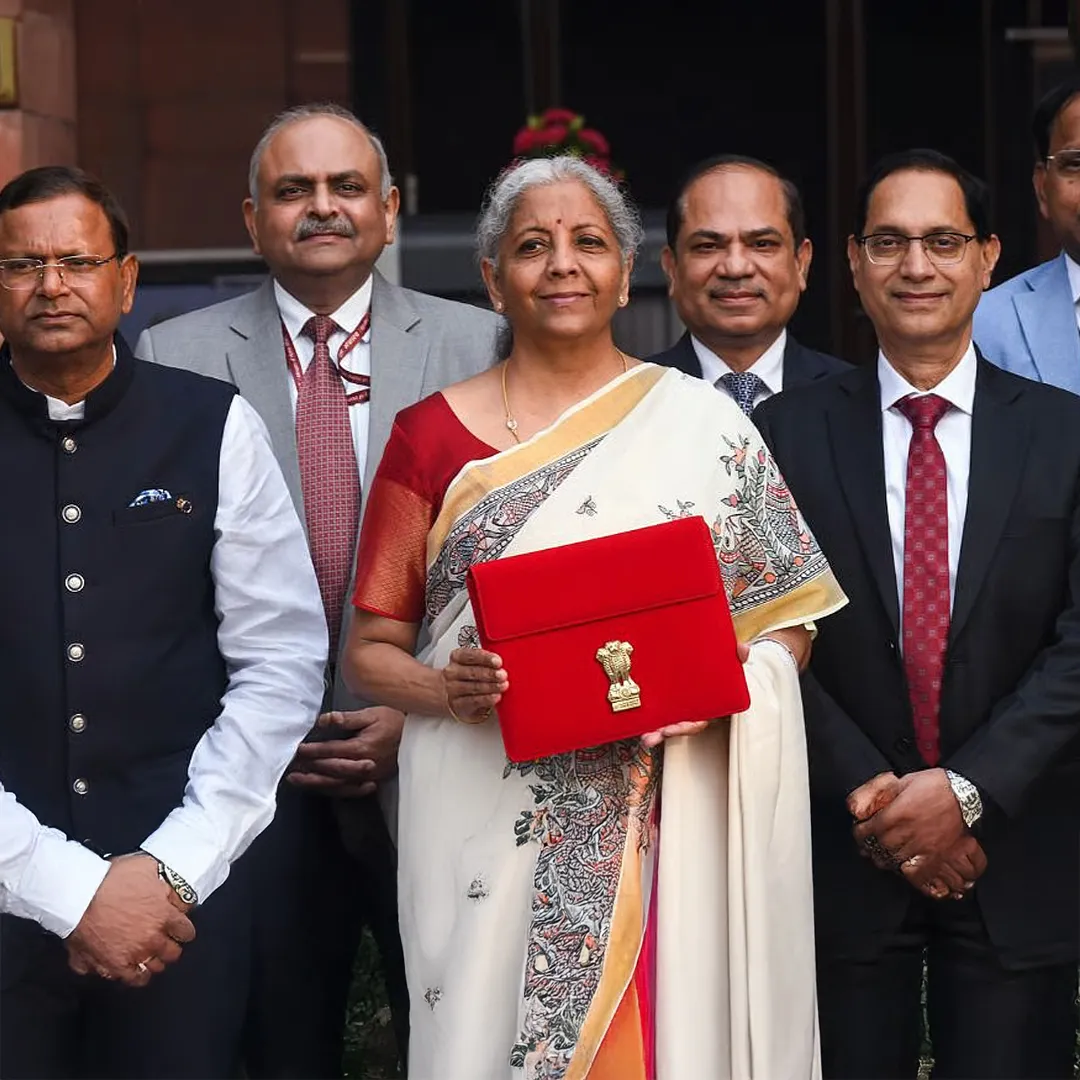
- 2025: Budget 2025 boosts tax relief, agriculture, jobs, infrastructure, startups, clean energy, women welfare, urban housing, skilling, MSMEs, and social inclusion.
2024
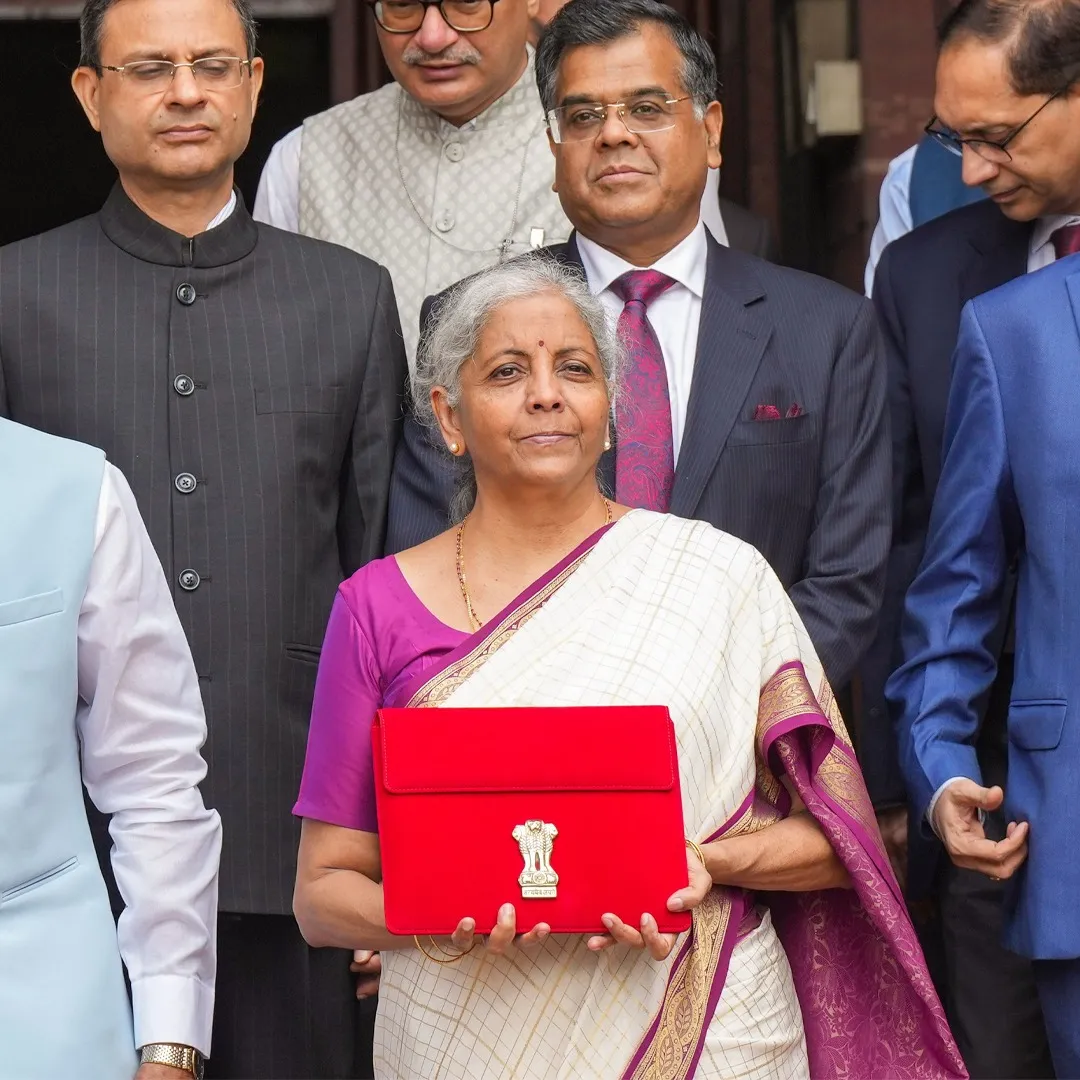
- 2024: Tax structure to infrastructure changes in the budget.
2023
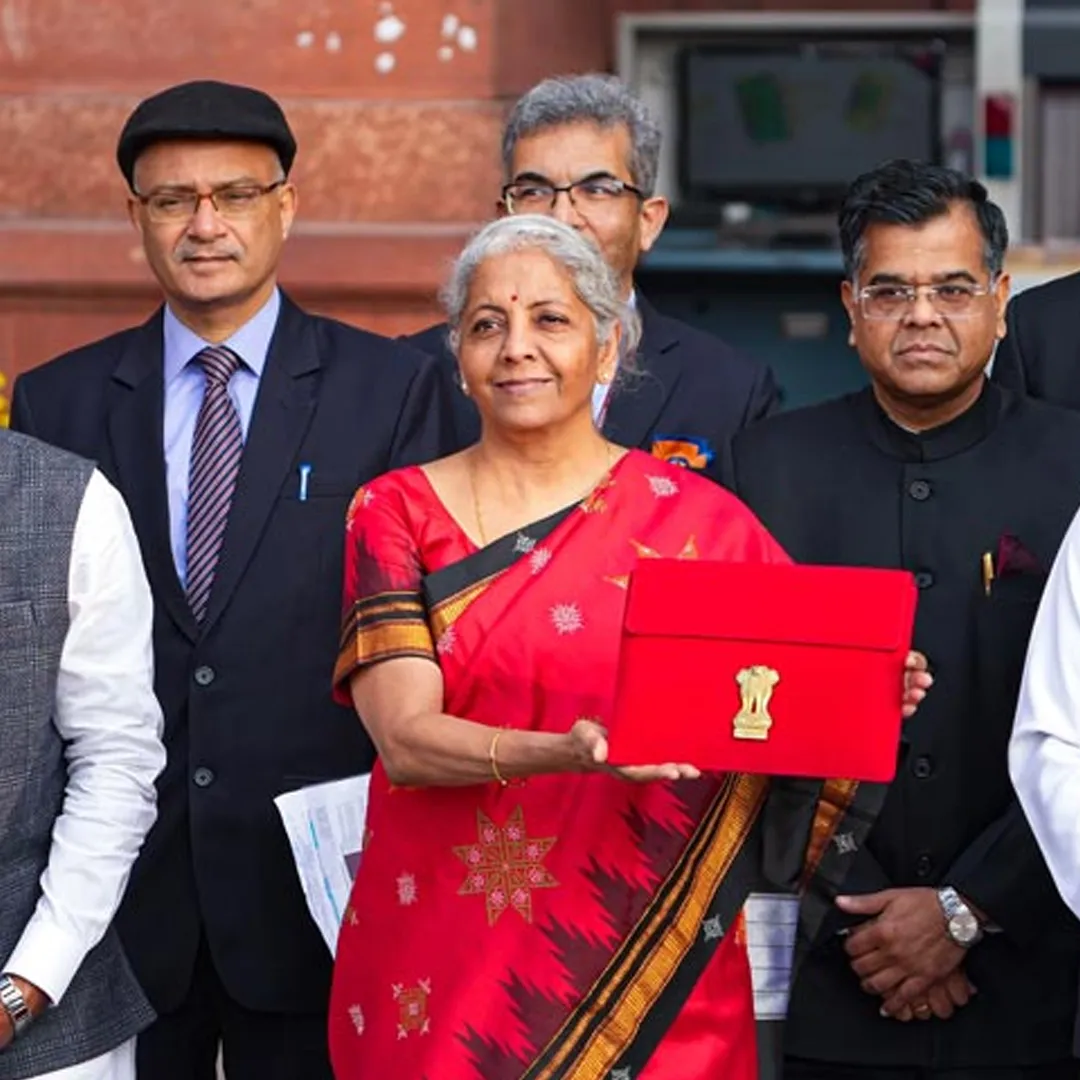
- 2023: Budget emphasized on green growth, inclusive development, and digital economy advancements.
2022
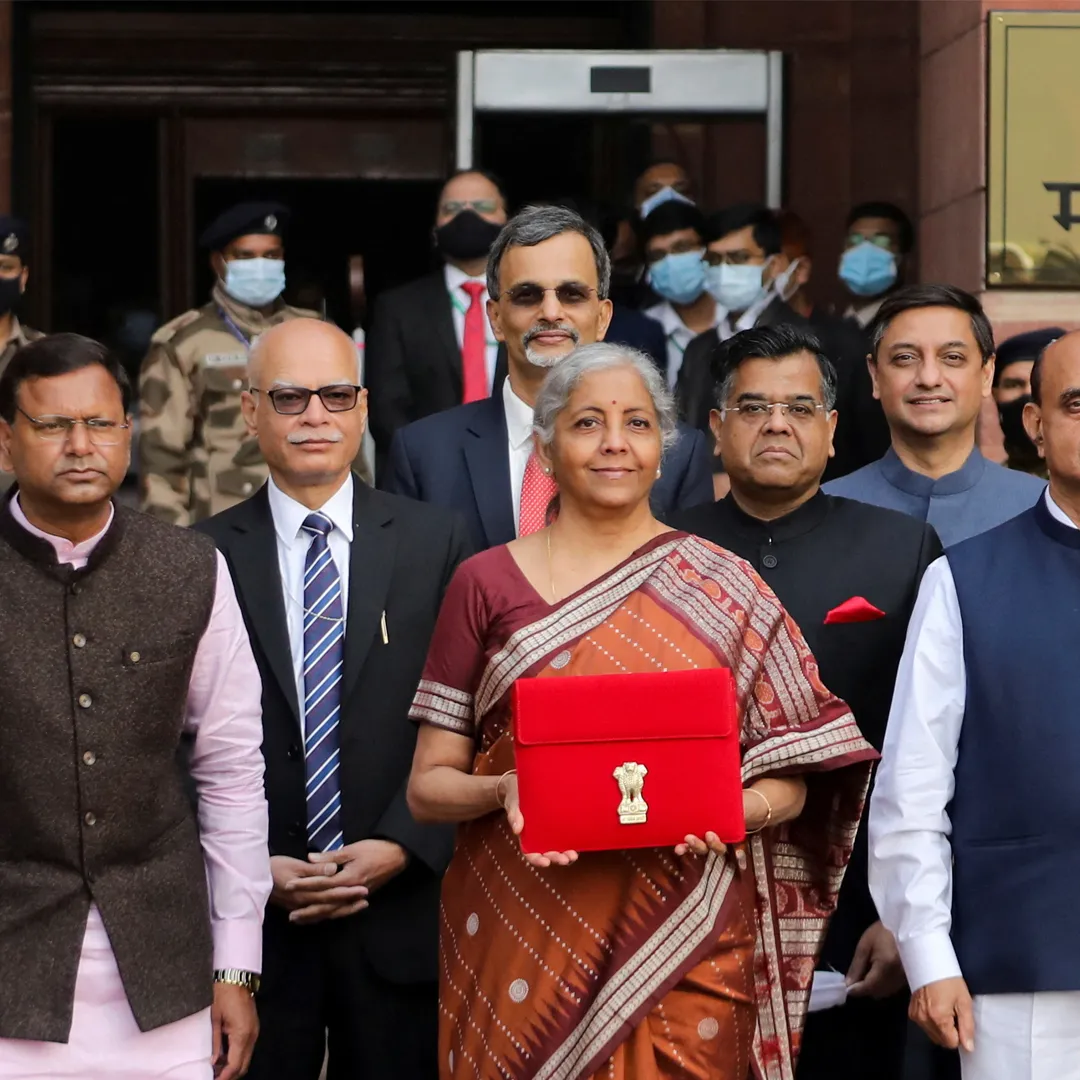
- 2022: Budget focused on digital currency, infrastructure, and health.
2021
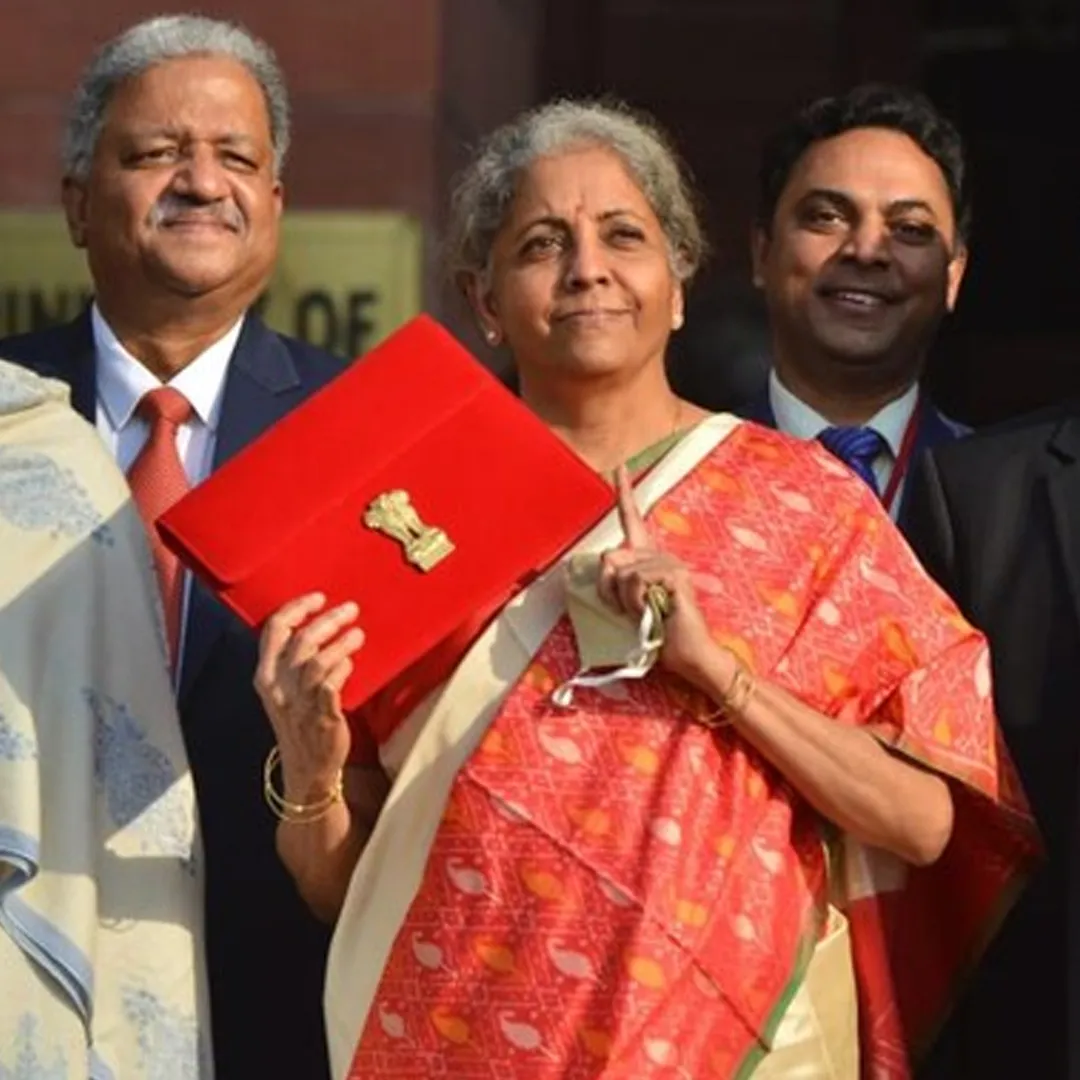
- 2021: The first digital Budget presented amidst the COVID-19 pandemic.
2020
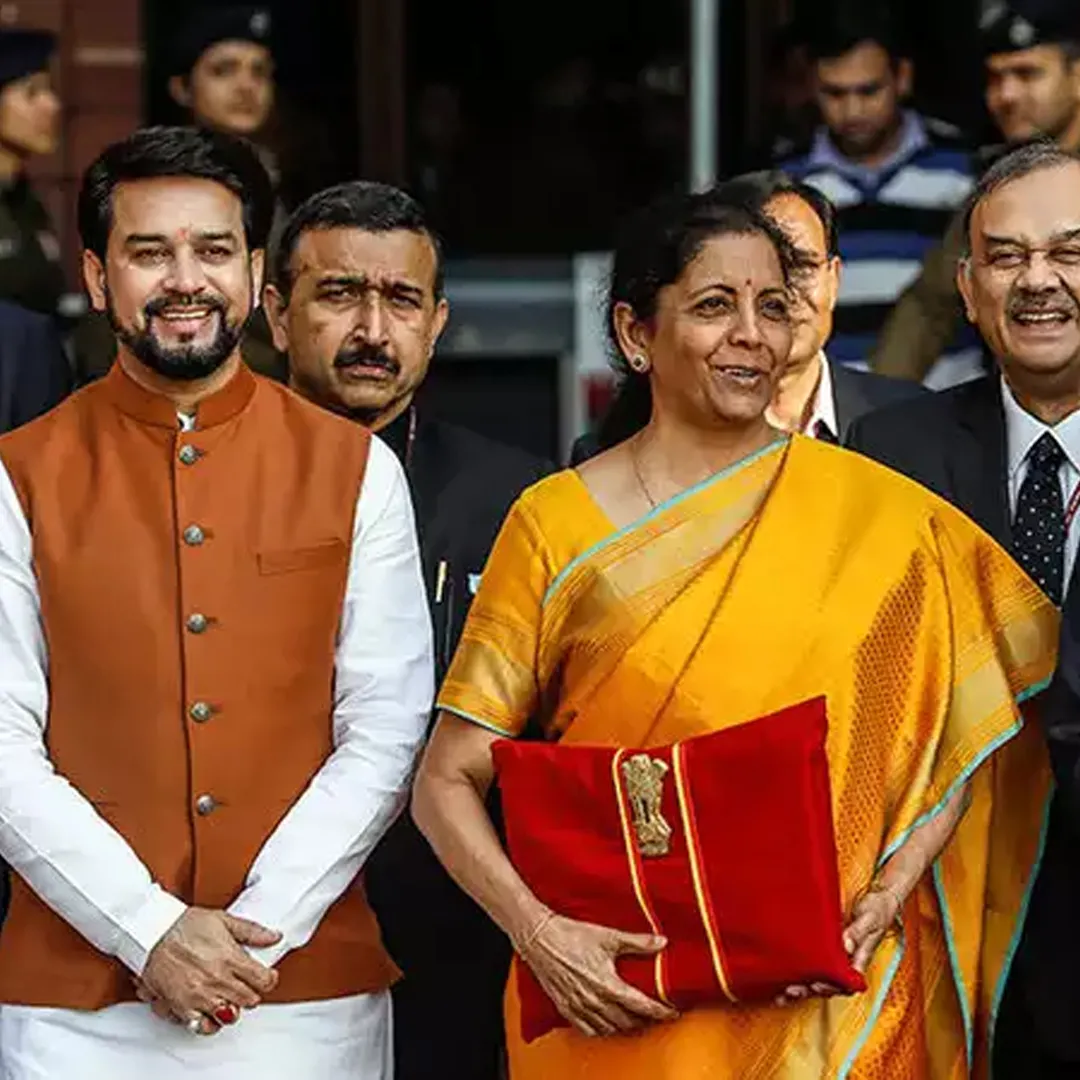
- 2020: Nirmala Sitharaman presented the longest Budget speech, focusing on aspirational India, economic development, and caring society.
2017
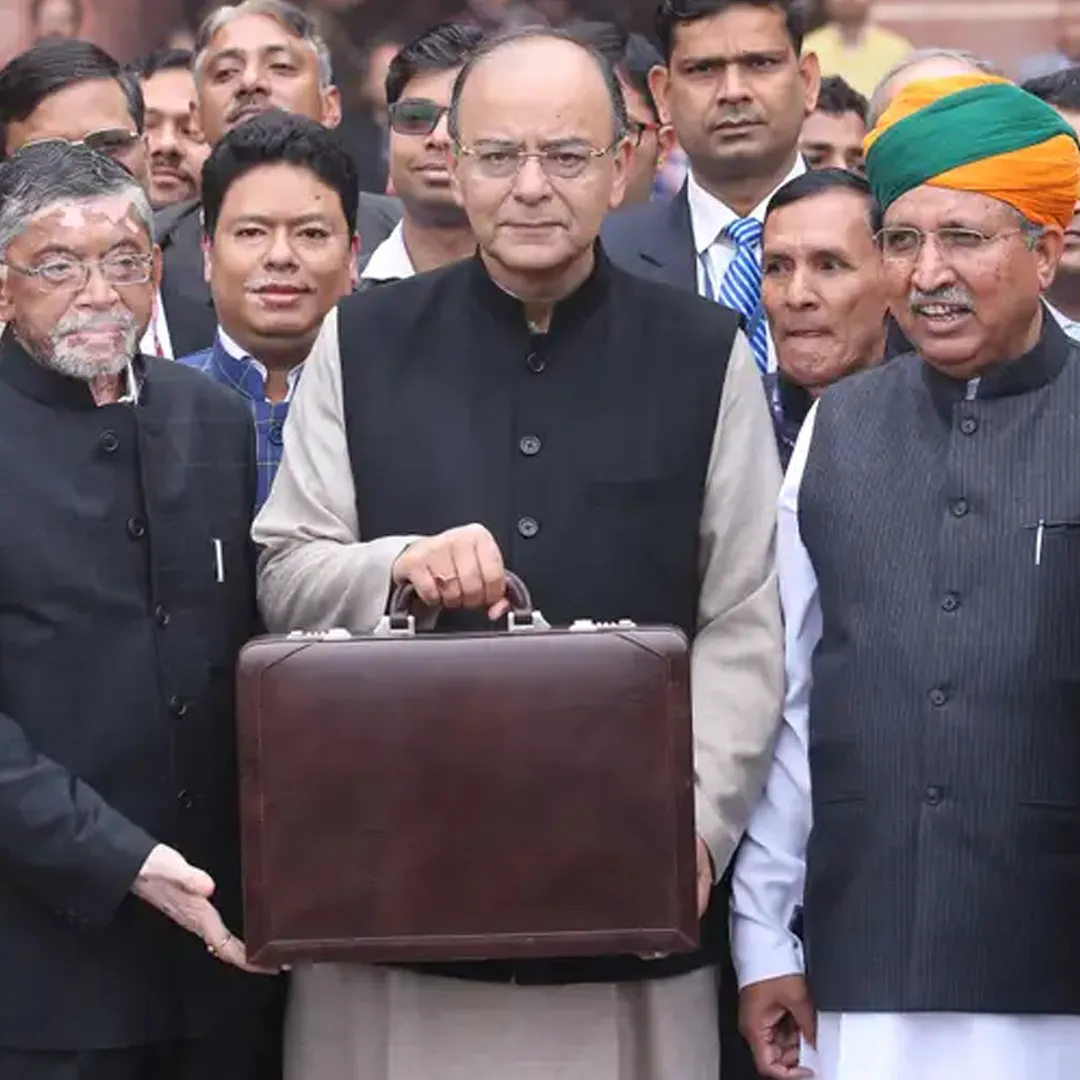
- 2017: Budget presented on February 1, merging the Railway Budget with the General Budget.
2015
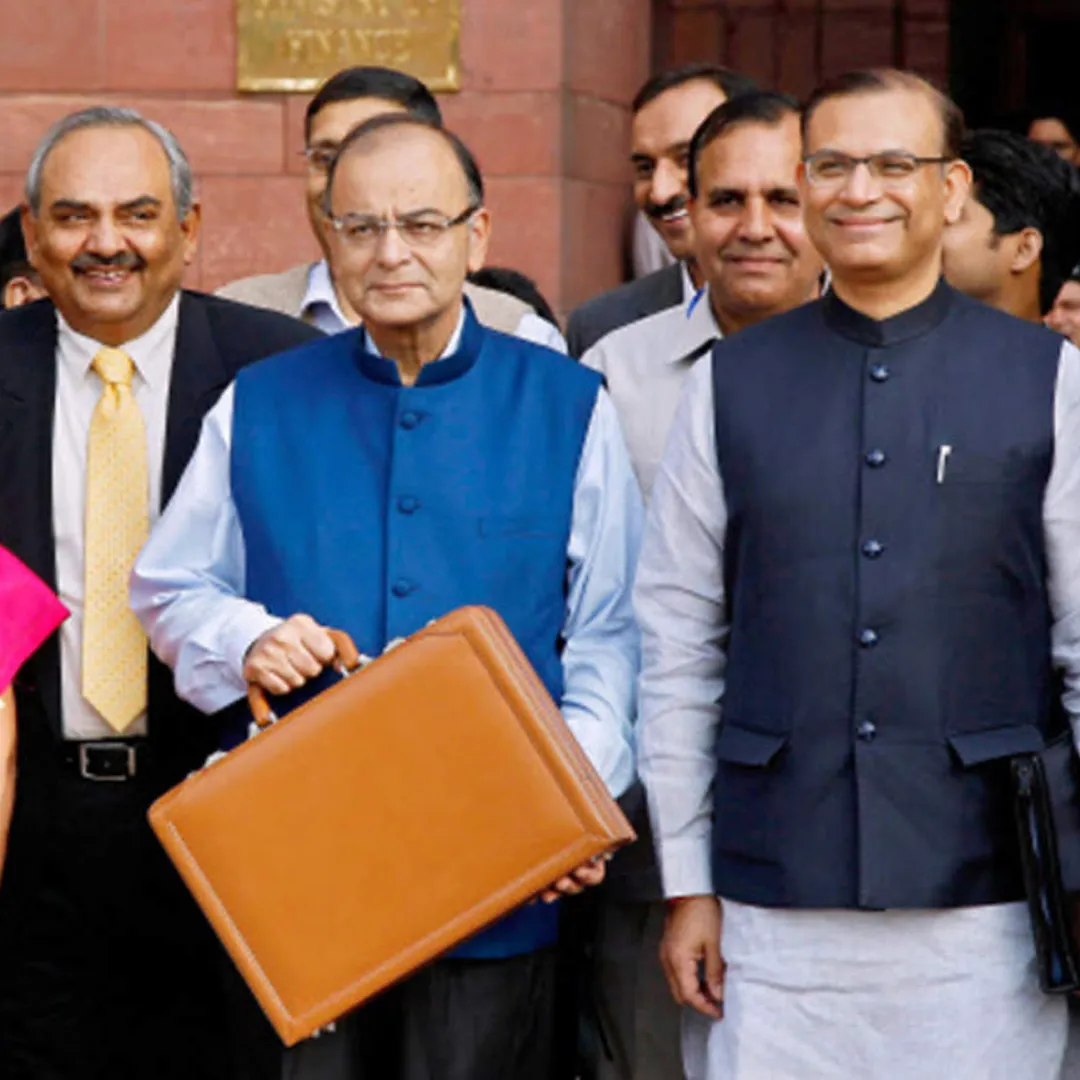
- 2015: Merger of the Railway Budget with the General Budget.
2014
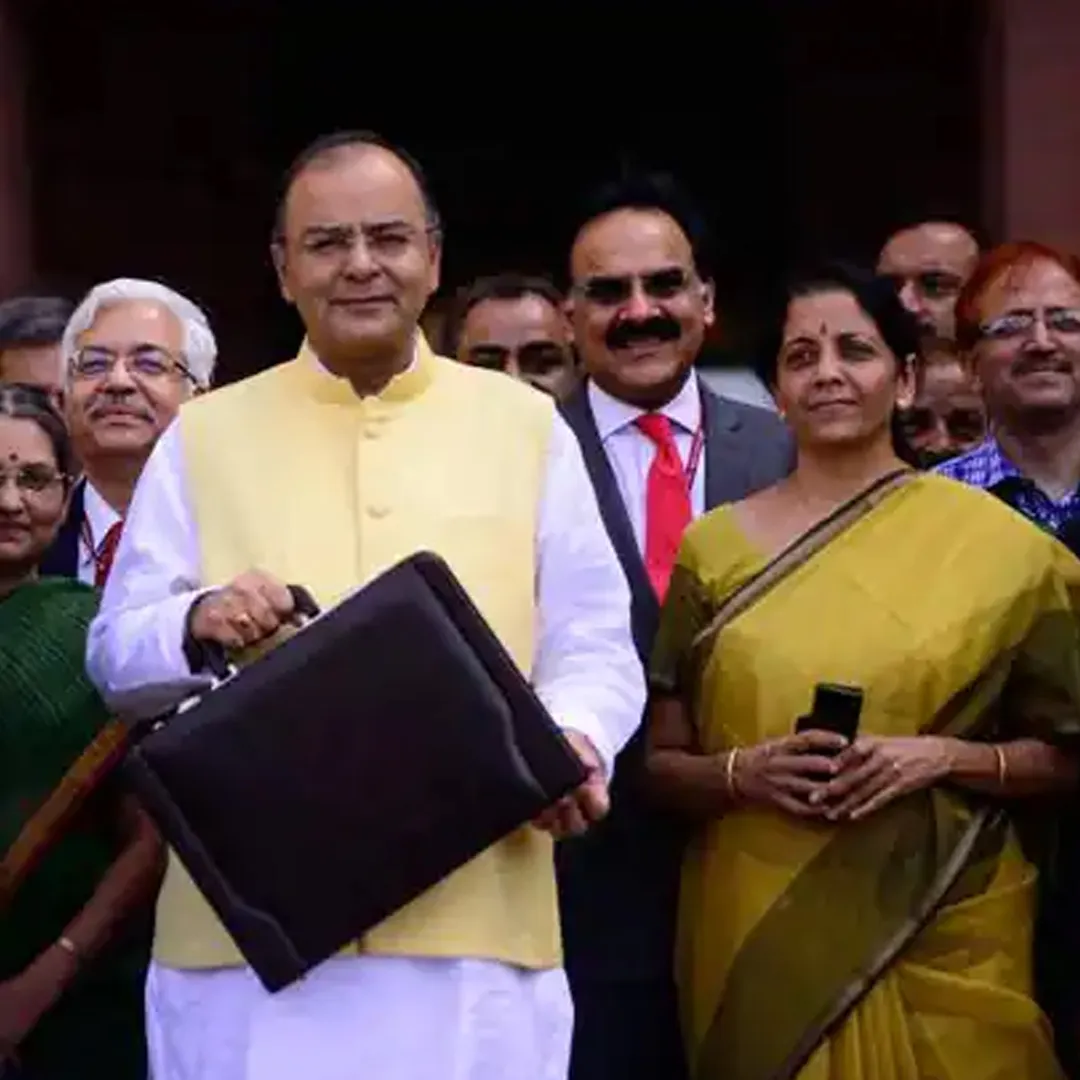
- 2014: Arun Jaitley's Budget focused on fiscal consolidation and reducing subsidies.
2012
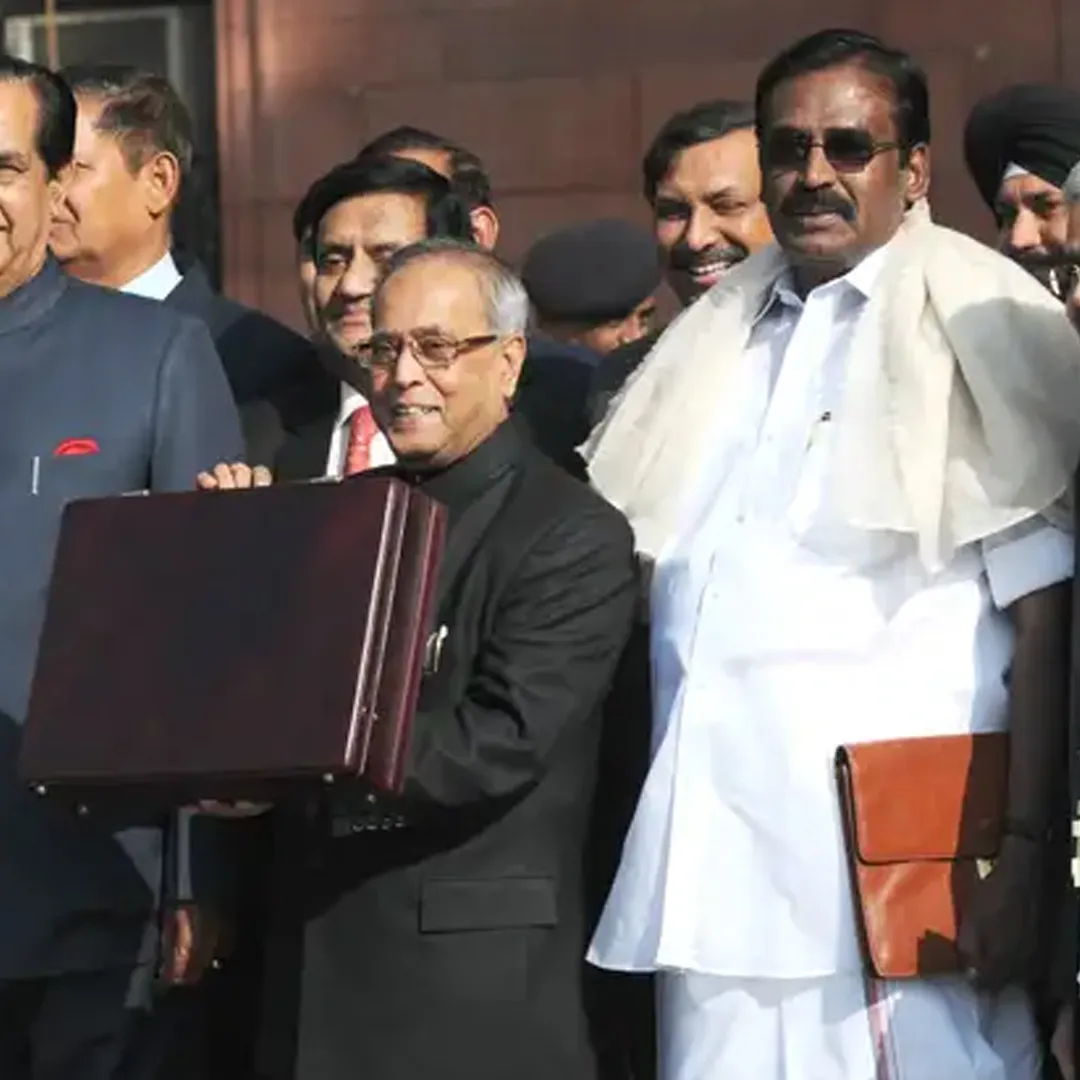
- 2012: Pranab Mukherjee introduced the Direct Taxes Code and Goods and Services Tax (GST) bill.
2009
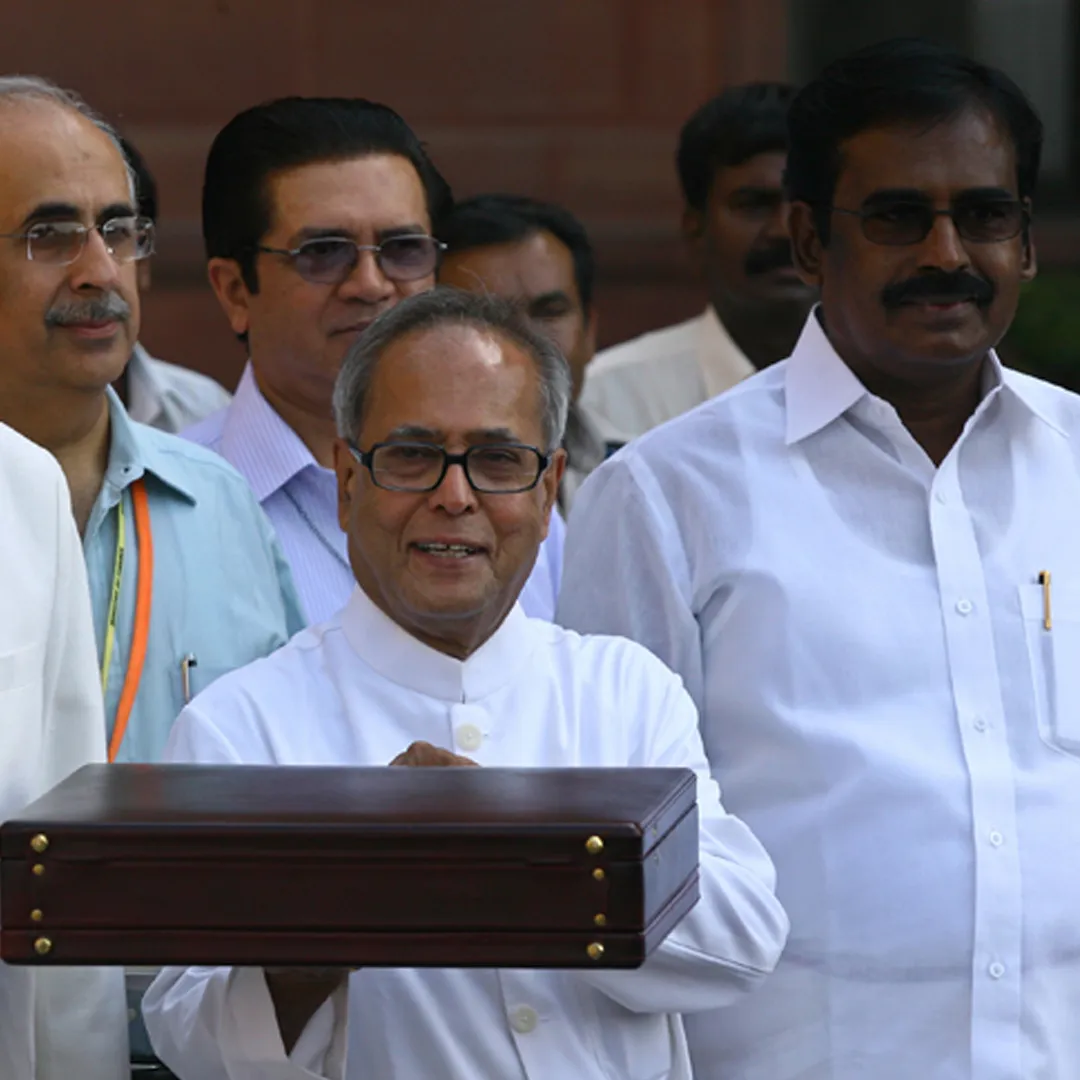
- 2009: Pranab Mukherjee's Budget aimed at countering the effects of the global financial crisis.
2008
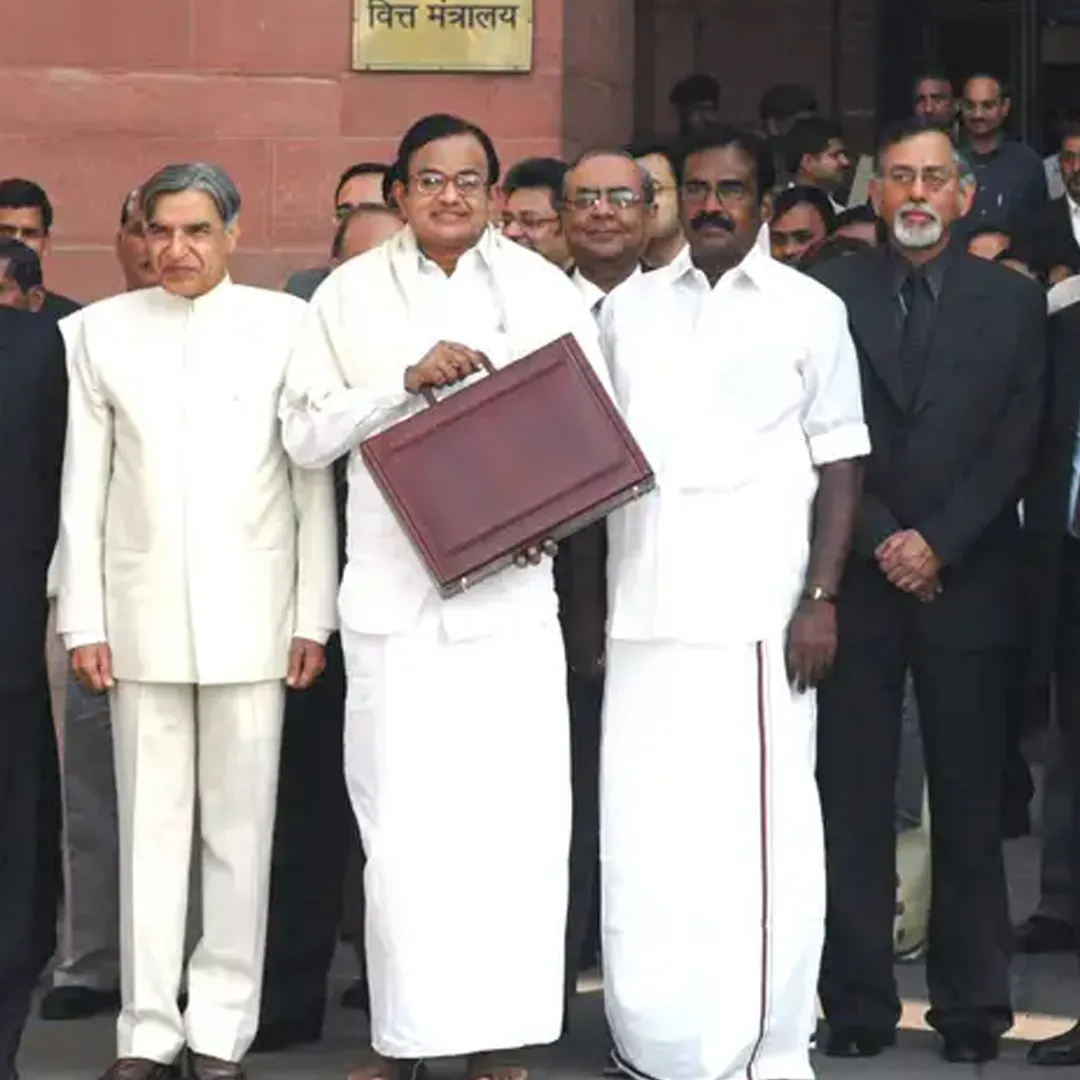
- 2008: Chidambaram's Budget waived off farm loans amounting to ₹60,000 crores.
2004
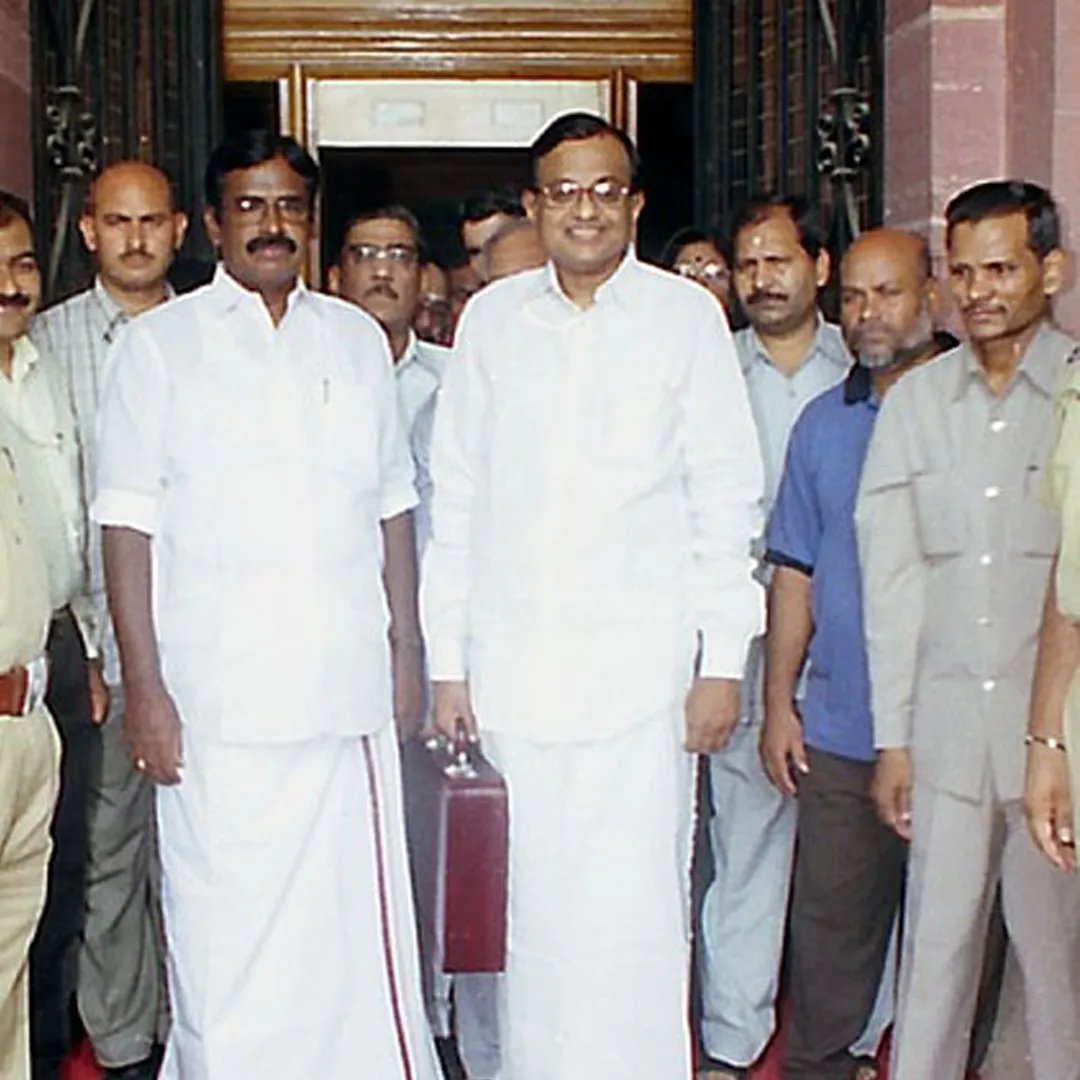
- 2004: P. Chidambaram's Budget after the UPA government came to power.
2000
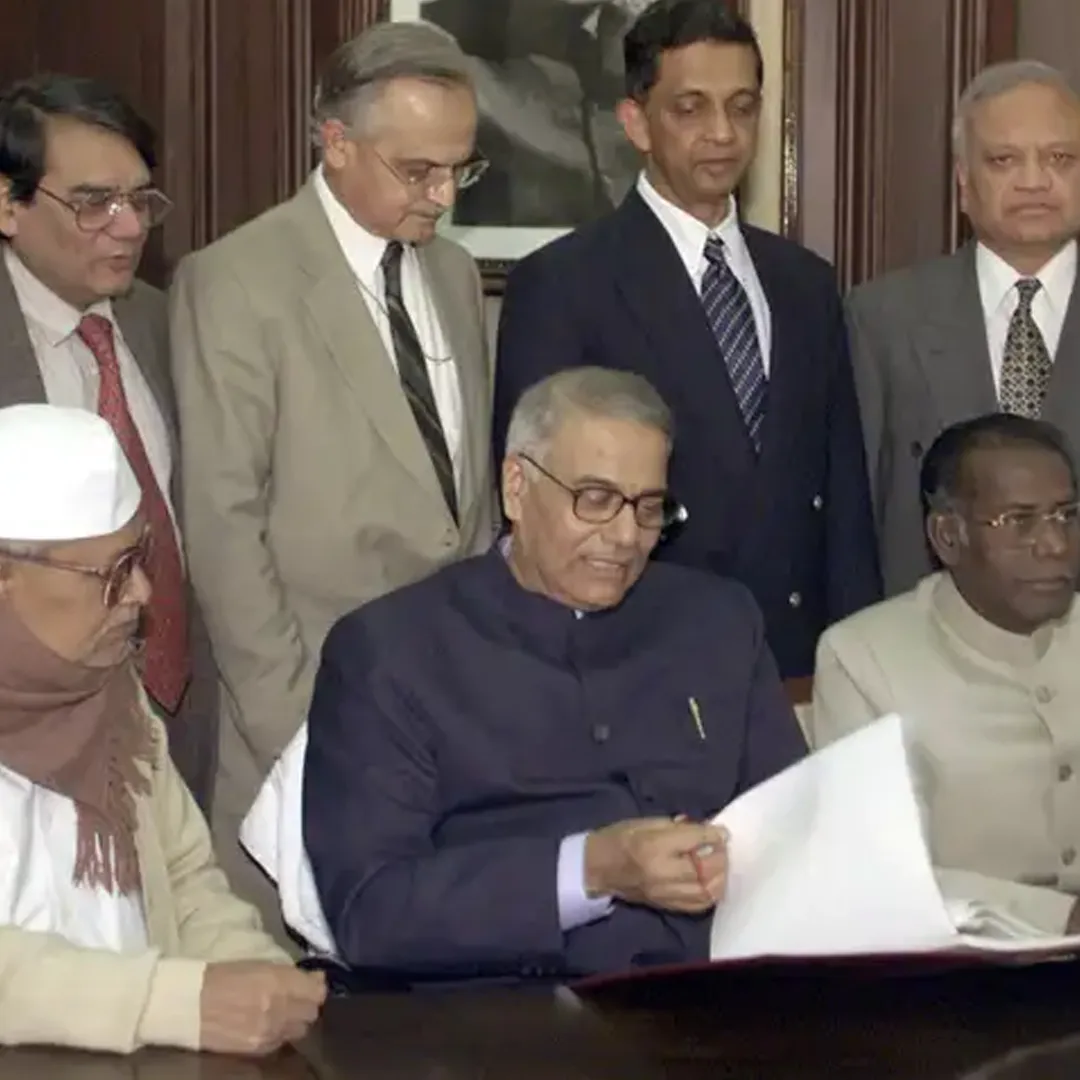
- 2000: Yashwant Sinha introduced the service tax and rationalized customs duty.
1999
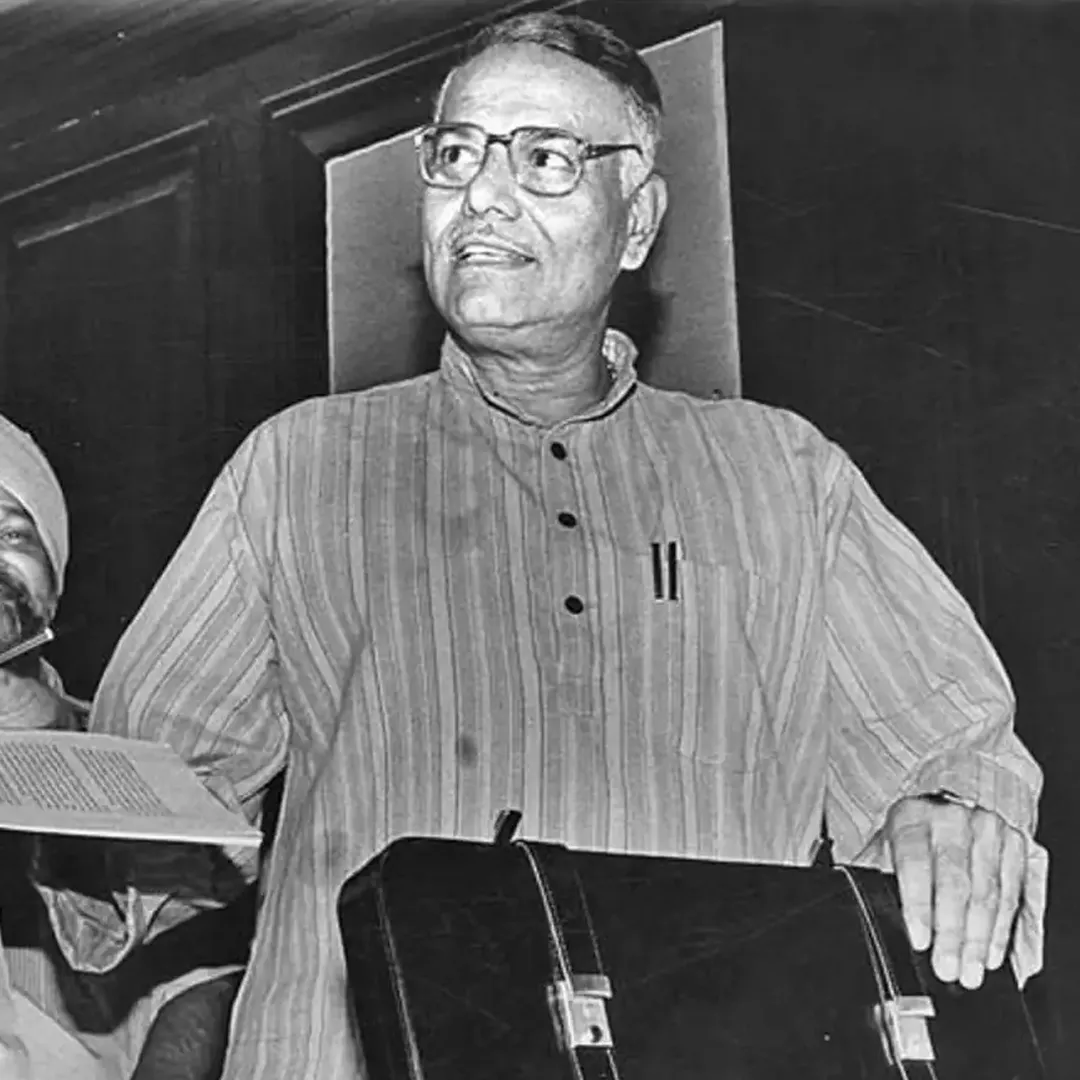
- 1999: Yashwant Sinha's Budget introduced the Kargil War surcharge and the creation of a National Highway Development Project.
1997
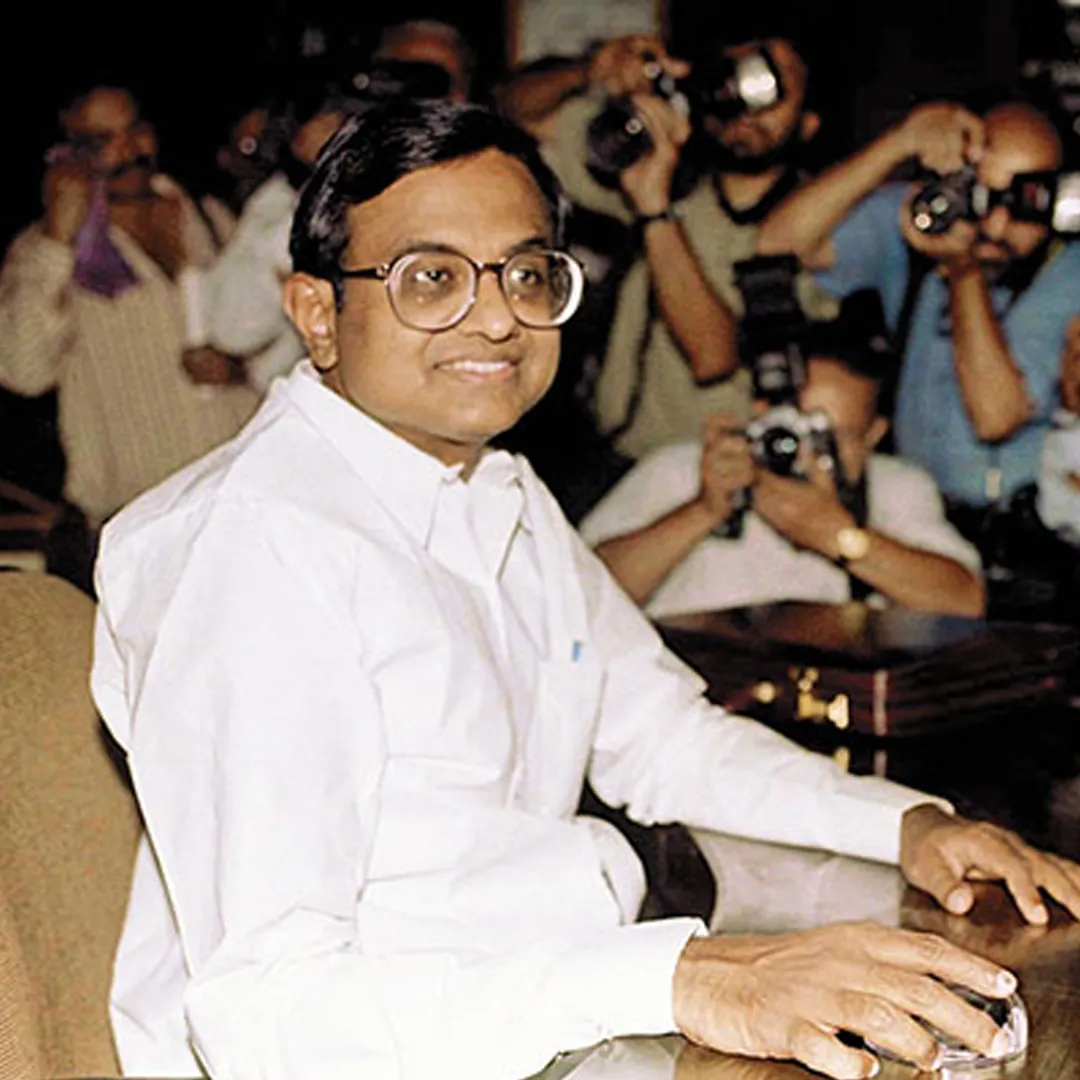
- 1997: P. Chidambaram's 'Dream Budget' focused on tax reforms and liberalization.
1991
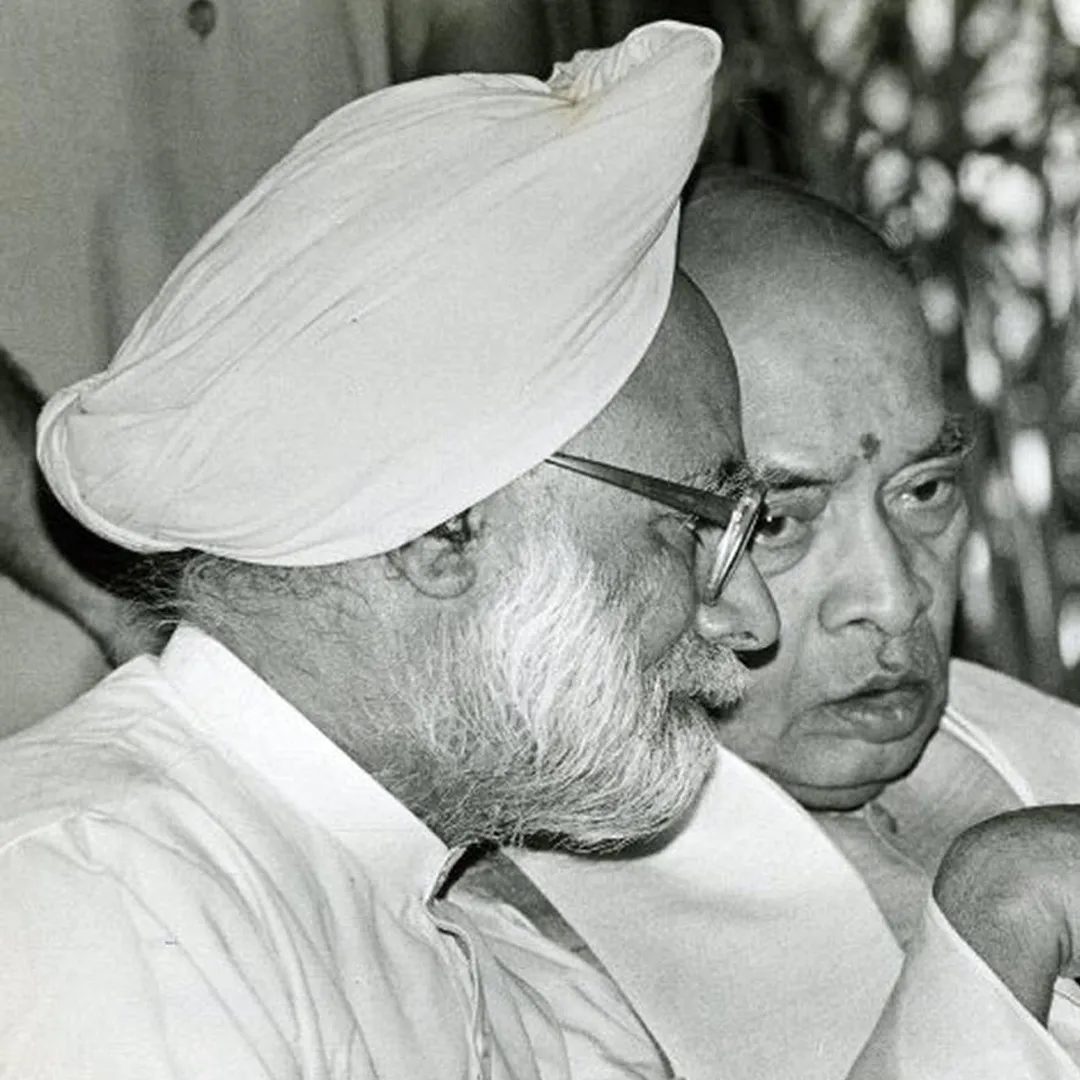
- 1991: Manmohan Singh's landmark Budget introduced economic liberalization and structural reforms.
1989
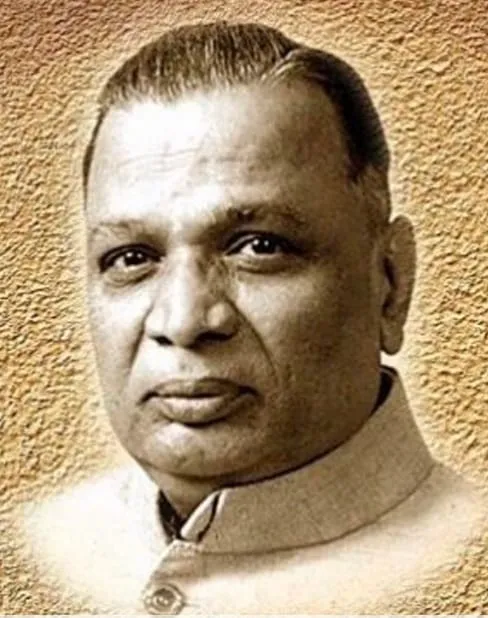
- 1989: S.B. Chavan introduced measures to control inflation.
1987
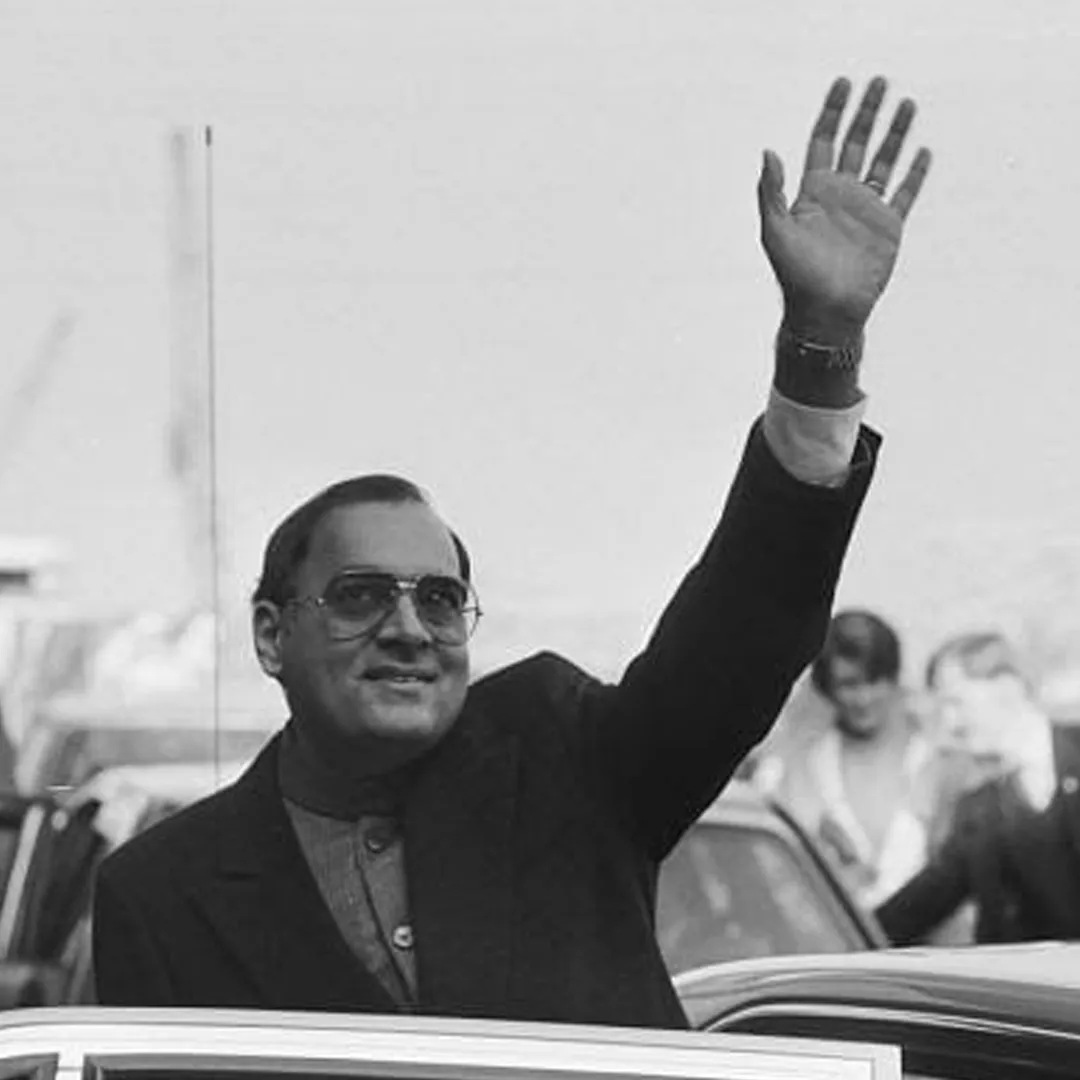
- 1987: Rajiv Gandhi's Budget focused on modernization and technology.
1985
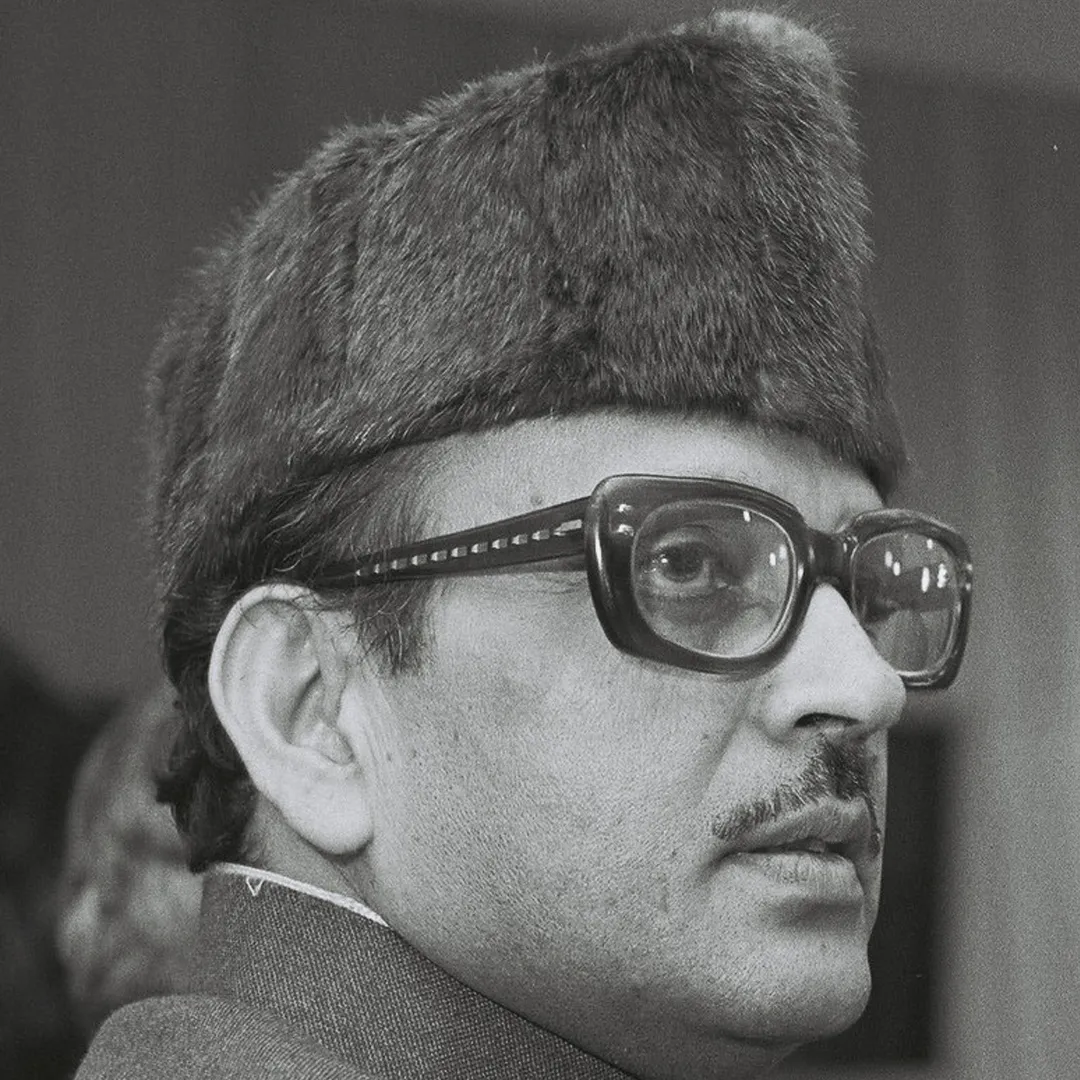
- 1985: V.P. Singh's Budget introduced MODVAT (Modified Value Added Tax).
1980-82
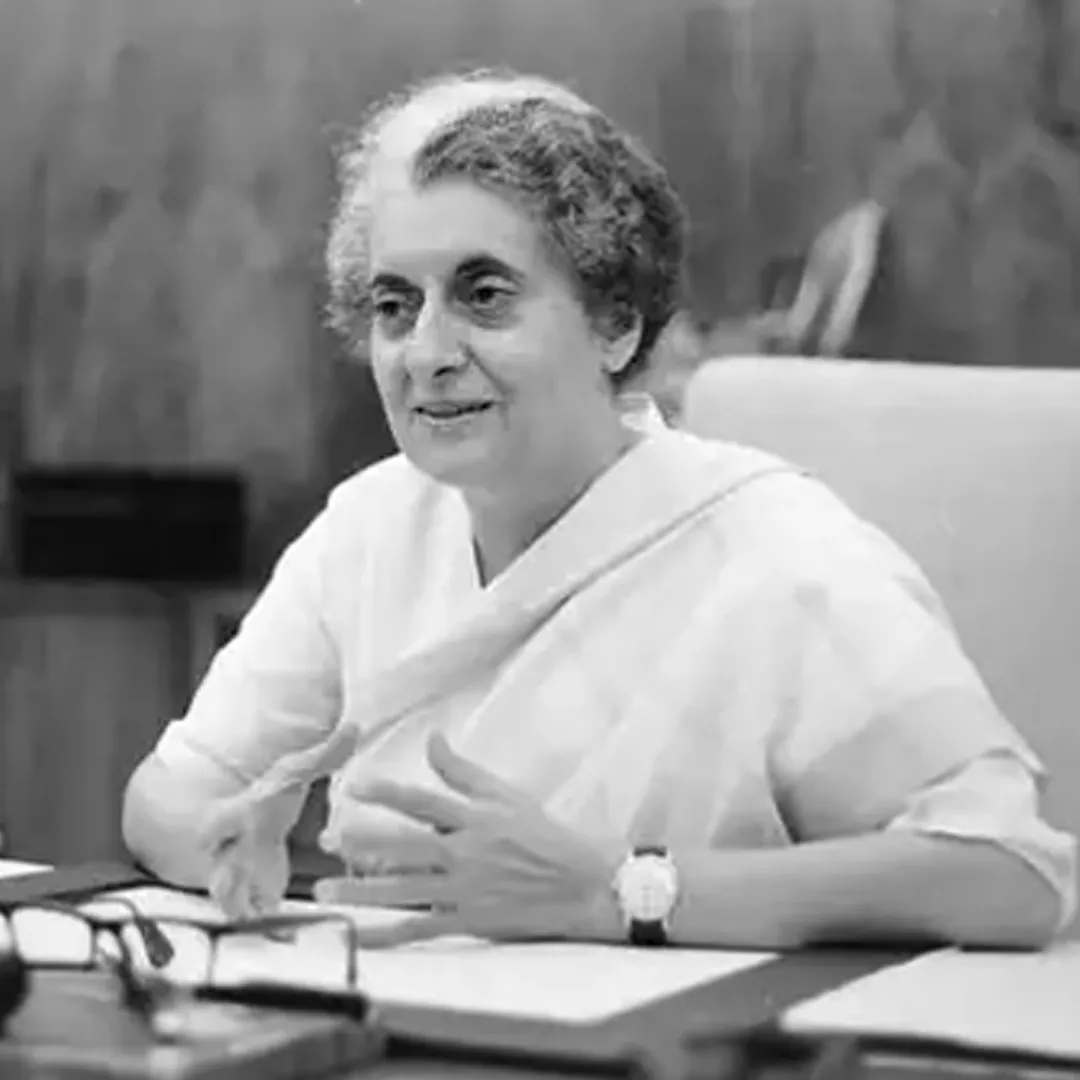
- 1980-82: Budgets under Indira Gandhi's leadership focused on poverty alleviation and nationalization.
1979
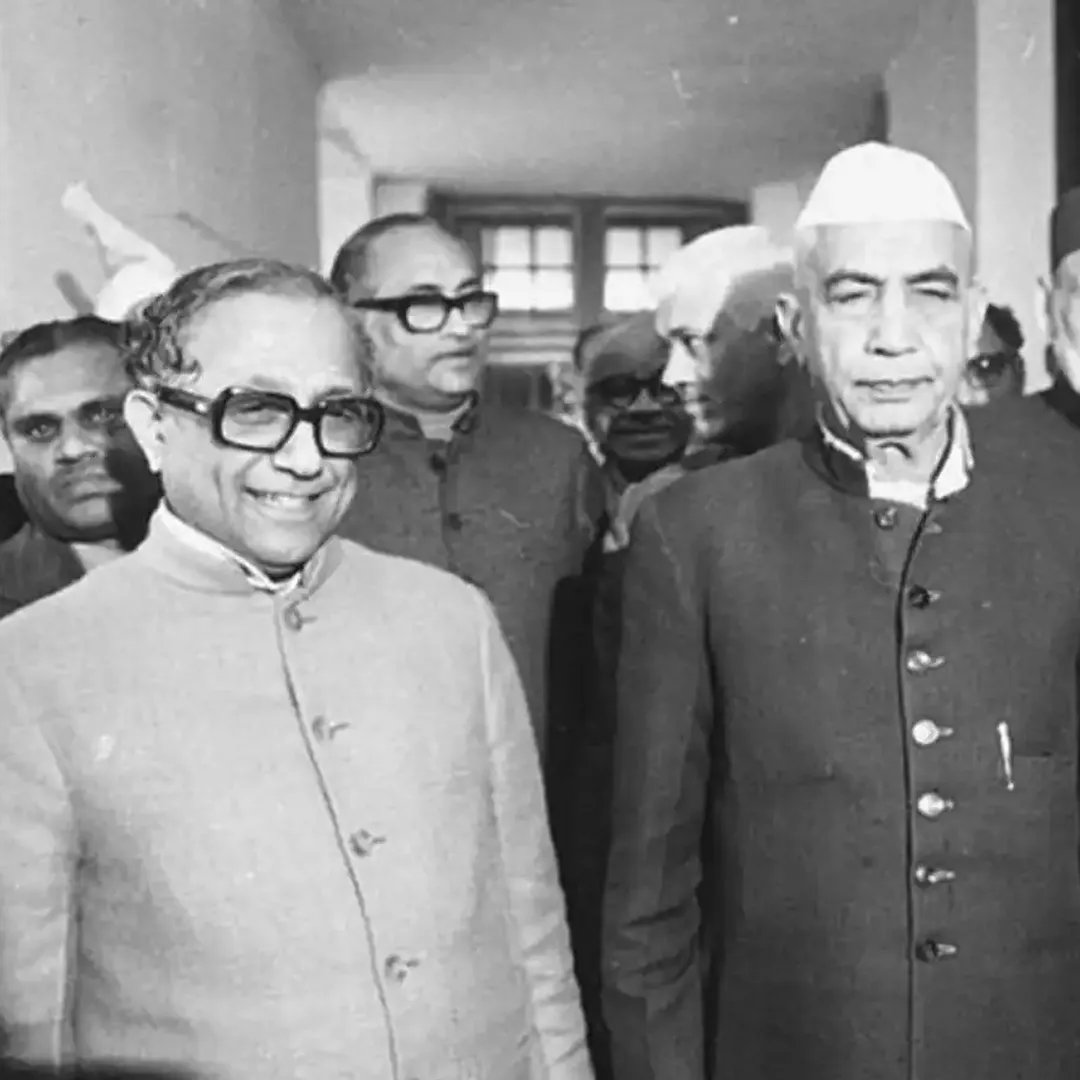
- 1979: Charan Singh's interim Budget post the collapse of the Morarji Desai government.
1973
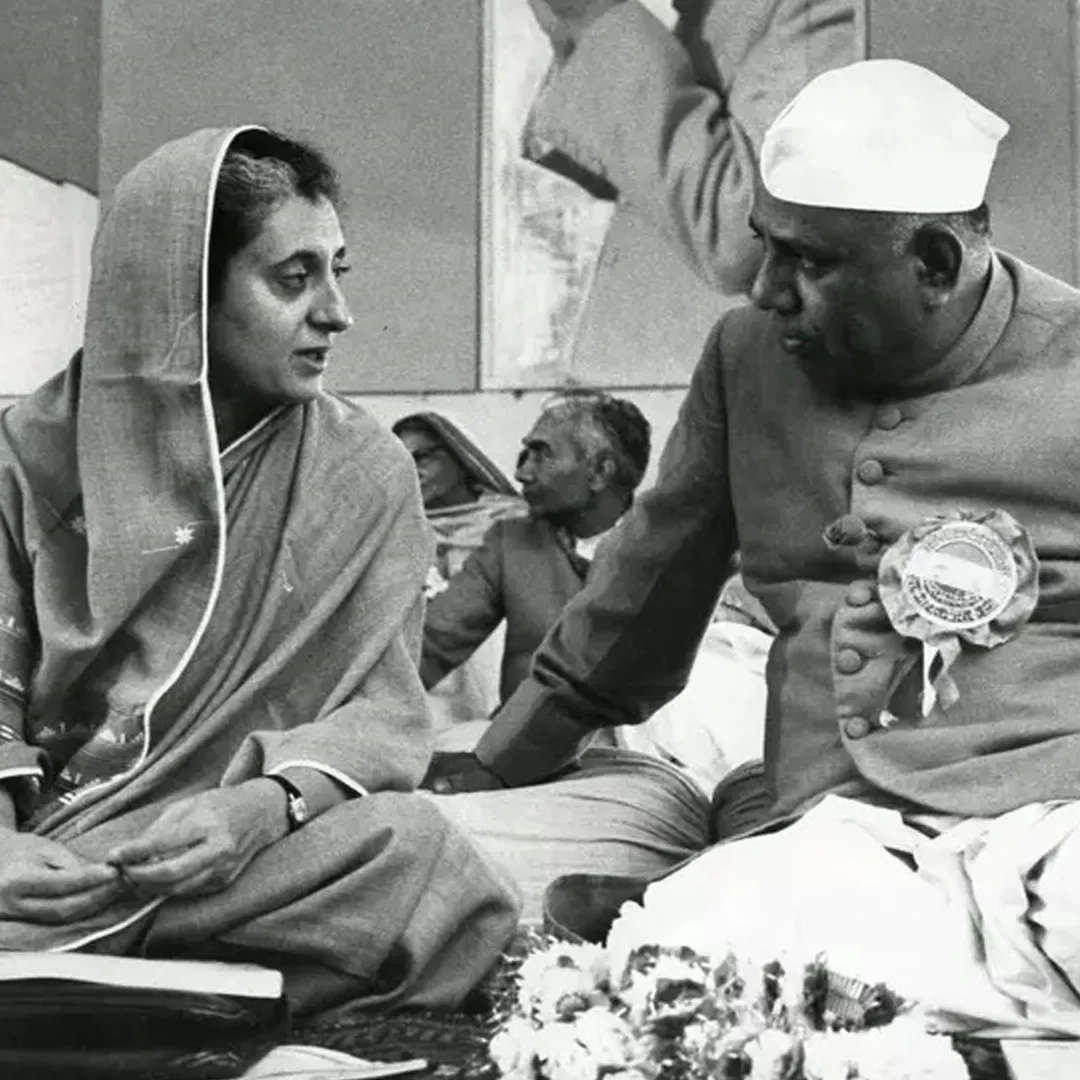
- 1973: Yashwantrao Chavan presented the 'Black Budget' with a high deficit.
1970-73
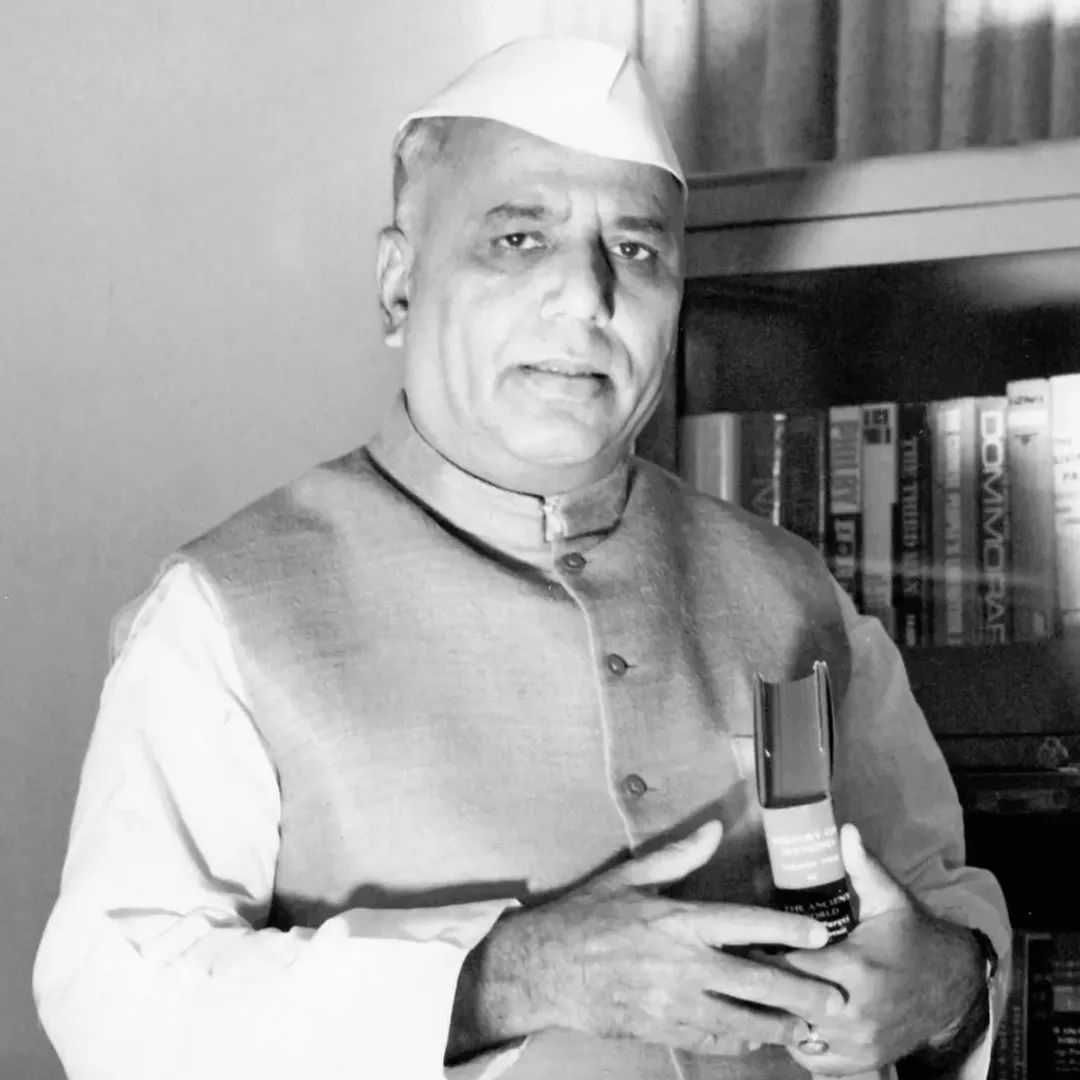
- 1970-73: Budgets continued to focus on growth and stabilization.
1968
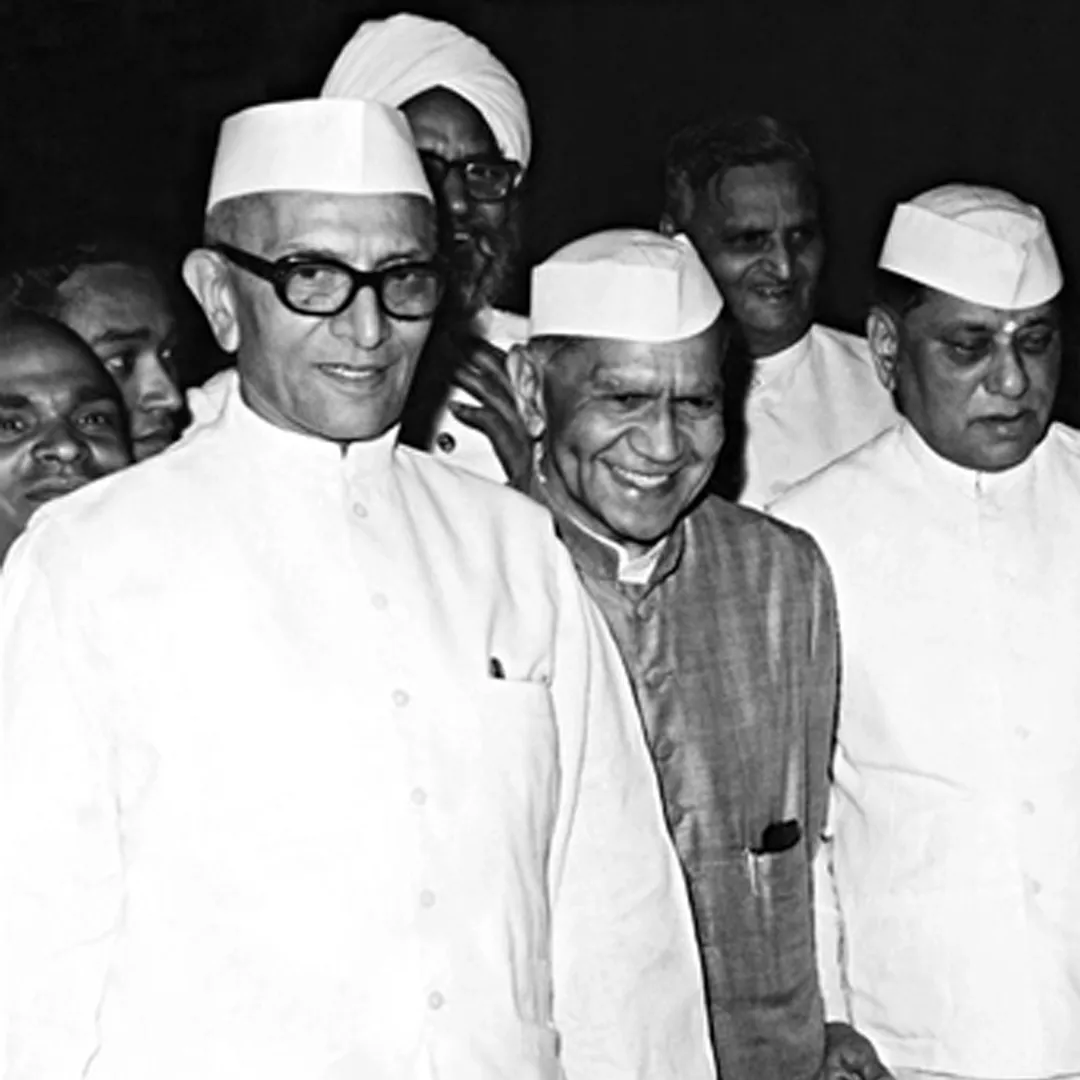
- 1968: Morarji Desai shifted the Budget presentation to the last working day of February.
1965
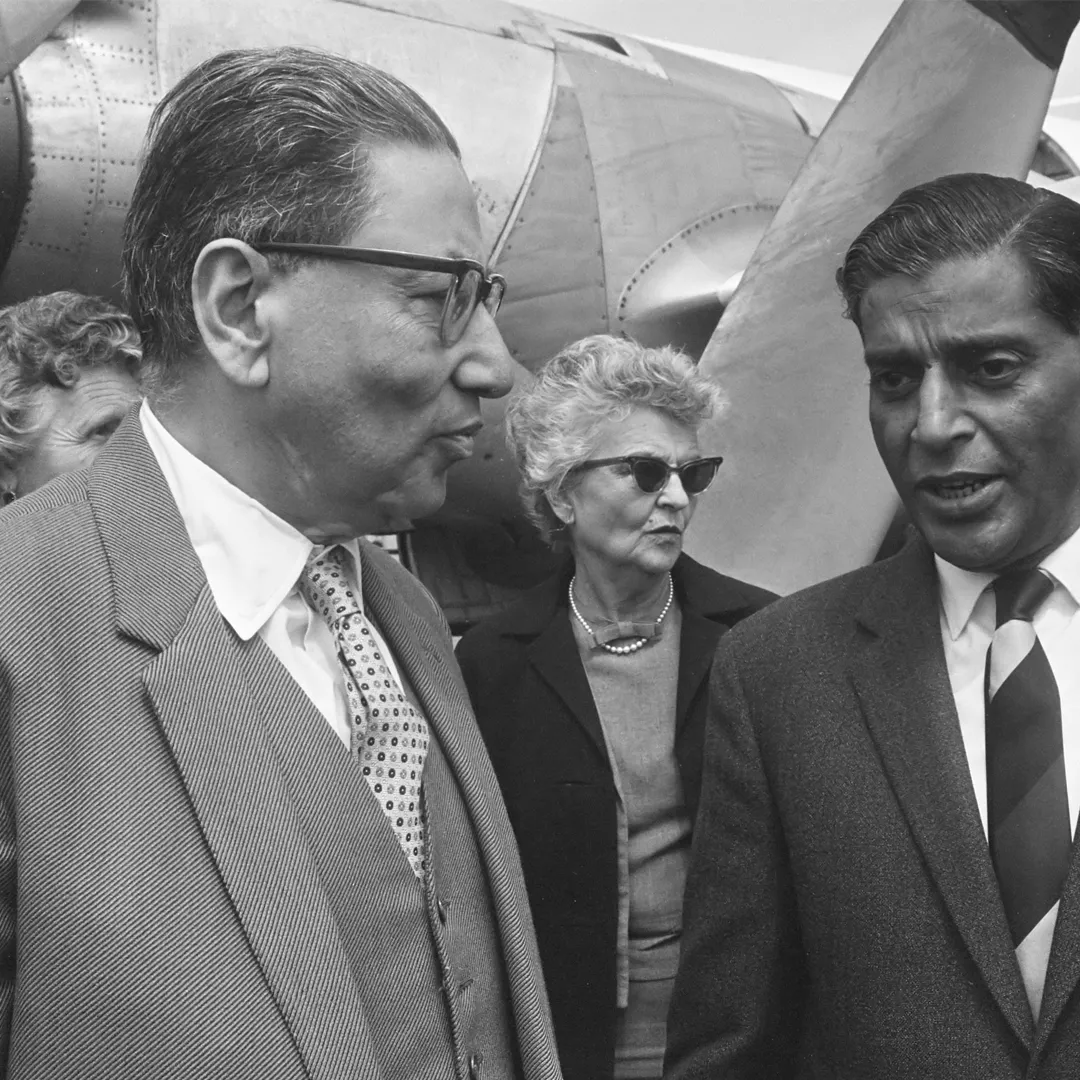
- 1965: Sachindra Chaudhuri presented a Budget during the Indo-Pak war period.
1960-65
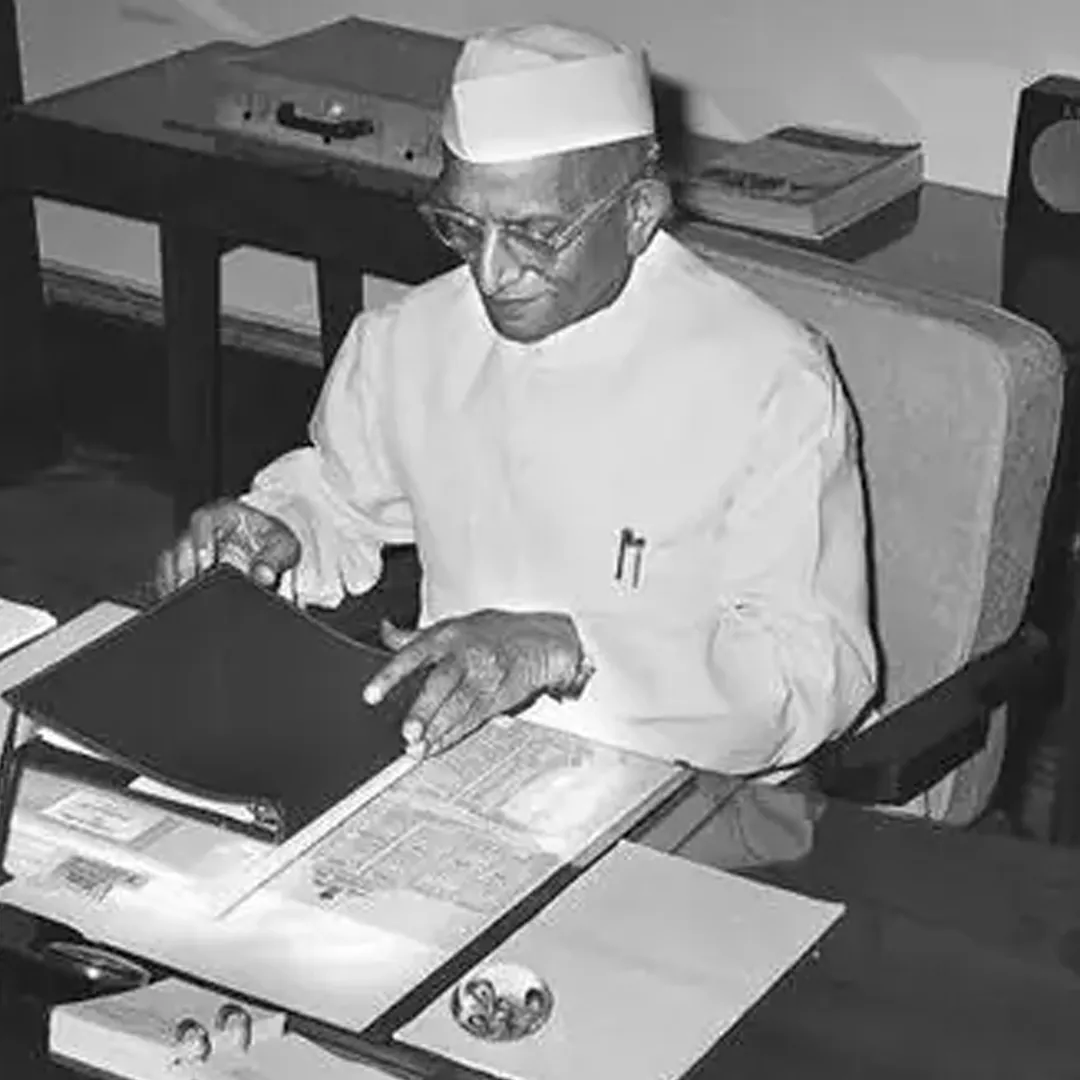
- 1960-65: Budgets focused on the Second and Third Five-Year Plans, aiming at self-sufficiency in food and the growth of the public sector.
1957
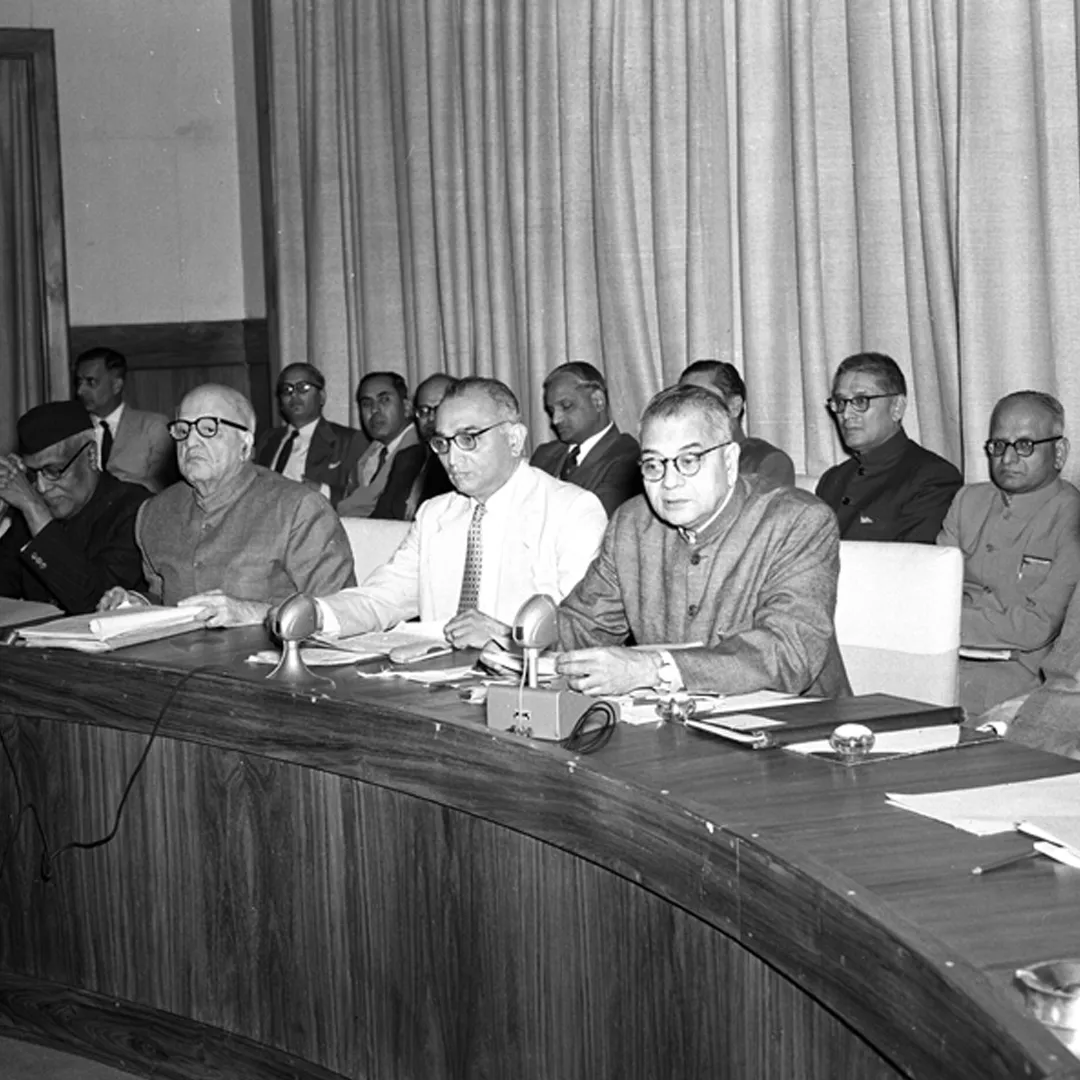
- 1957: T.T. Krishnamachari introduced a controversial tax on expenditure.
1951-57
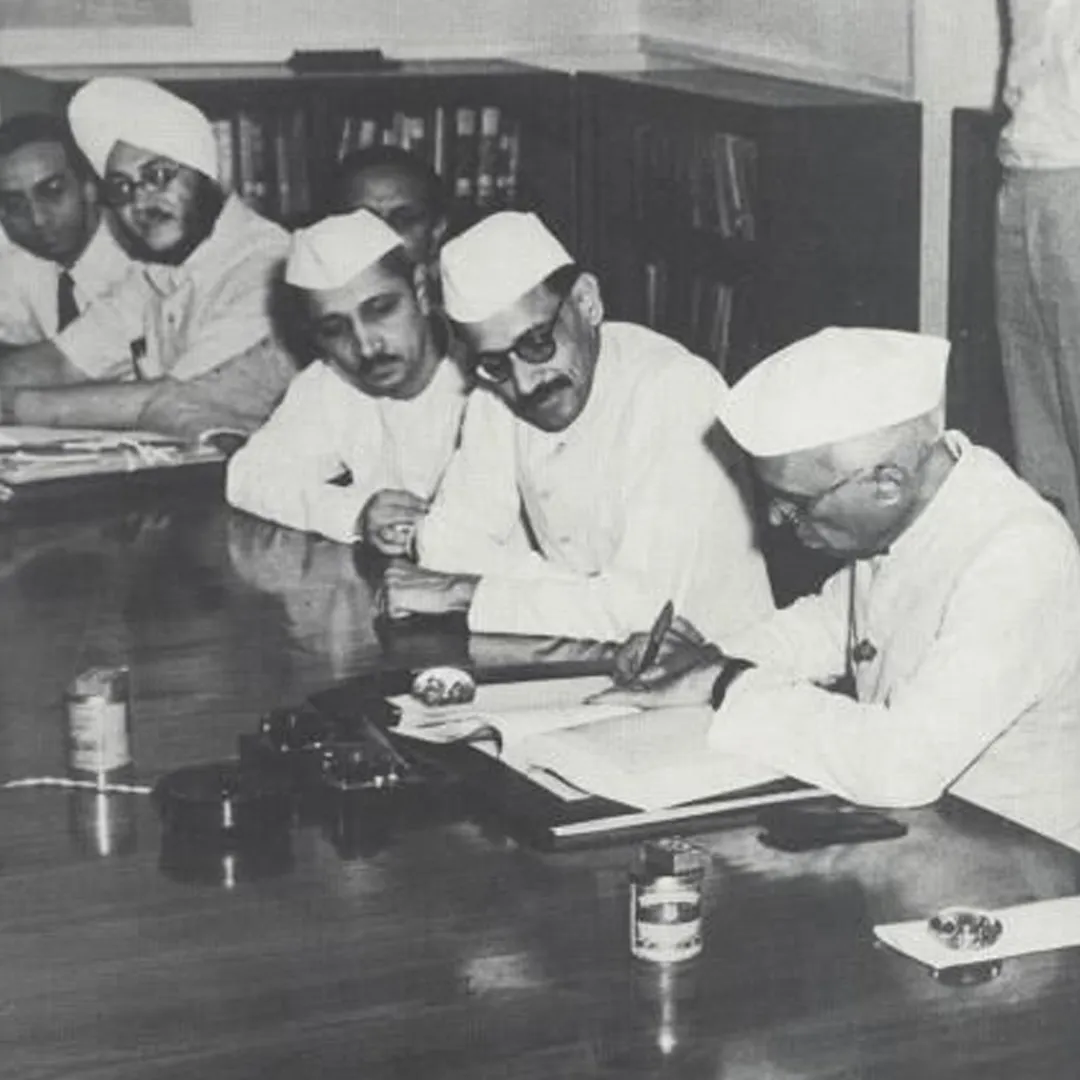
- 1951-57: Various Budgets were focused on the First Five-Year Plan (1951-1956) and the beginning of the Second Five-Year Plan (1956-1961).
1950
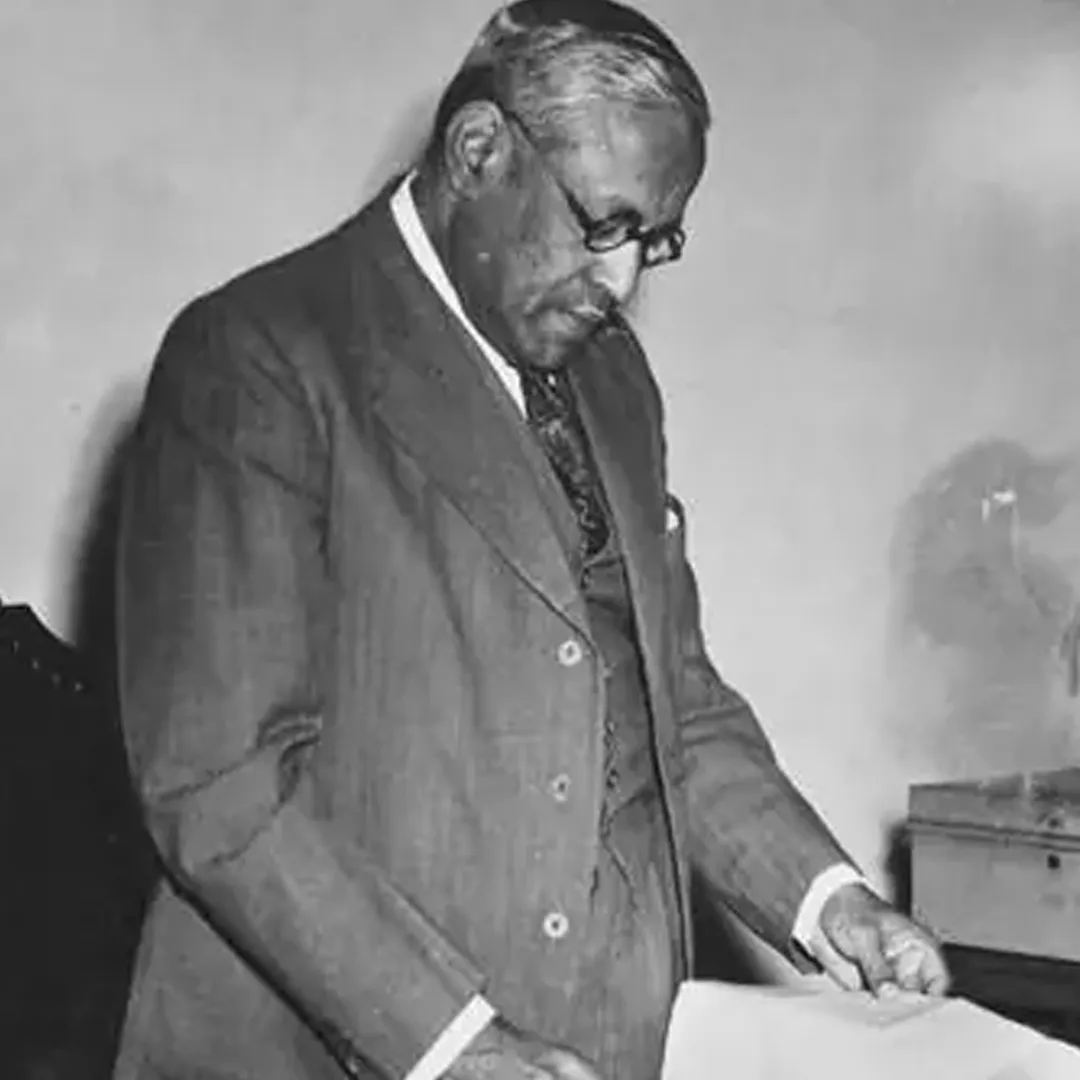
- 1950: John Mathai presented the first Budget of the Republic of India on February 28, 1950, establishing the Planning Commission.
1947
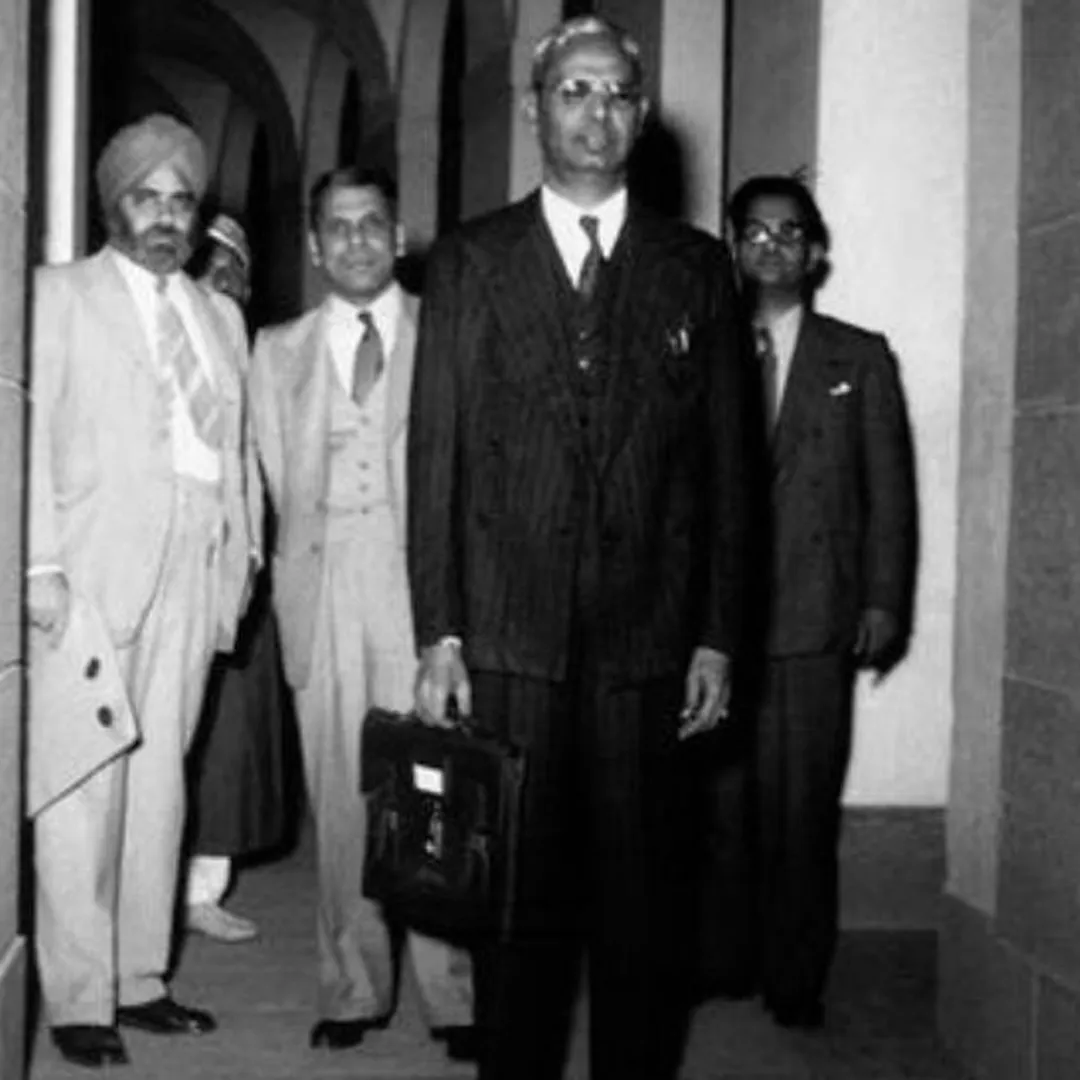
- 1947: R.K. Shanmukham Chetty presented the first Budget of independent India on November 26, 1947. This Budget covered only seven and a half months from August 15, 1947, to March 31, 1948.
Gold Rates
Mumbai
24K Gold /
10gm
₹ 1,48,900
-₹10
22K Gold /
10gm
₹ 1,36,540
-₹10
18K Gold /
10gm
₹ 1,11,720
-₹10
GoodReturns.in made every effort to ensure data accuracy; however, Greynium Info Tech and its associates do not accept culpability for losses and/or damages arising based on the information provided.
Select Your City
- Chennai
- Mumbai
- Delhi
- Kolkata
- Bangalore
- Hyderabad
- Kerala
- Pune
- Vadodara
- Ahmedabad
- Jaipur
- Lucknow
- Coimbatore
- Madurai
- Vijayawada
- Patna
- Nagpur
- Chandigarh
- Surat
- Bhubaneswar
- Mangalore
- Visakhapatnam
- Nashik
- Mysore
- Cuttack
- Davanagere
- Bellary
- Gurgaon
- Ghaziabad
- Noida
- Salem
- Vellore
- Amaravati
- Guntur
- Nellore
- Kakinada
- Tirupati
- Kadapa
- Anantapur
- Warangal
- Nizamabad
- Khammam
- Berhampur
- Rourkela
- Rajkot
- Vasai-Virar
- Aurangabad
- Solapur
- Bhiwandi
- Kolhapur
- Latur
- Tirupur
- Tirunelveli
- Trichy
- Sambalpur
- Amravati
- Erode
- Indore
- Kanpur
- Kochi
- Ludhiana
- Thane
- Amritsar
- Nagercoil
- Trivandrum
- Thanjavur
- Bhopal
- Varanasi
- Goa
- Karur
- Kumbakonam
- Namakkal
- Agra
- Dharmapuri
- Dindigul
- Tuticorin
- Cuddalore
- Kanchipuram
- Krishnagiri
- Villupuram
- Kovilpatti
- Theni
- Tiruvannamalai
- Hosur
- Karaikudi
- Pudukkottai
- Ramanathapuram
- Ambur
- Kanyakumari
- Nagapattinam
- Virudhunagar
- Kallakurichi
- Pollachi
- Arcot
- Palani
- Ariyalur
- Mohali
- Paramakudi
- Perambalur
- Jayankondam
- Kodaikanal
- Ooty
- Rameswaram
- Sivagangai
- Tiruvarur
- Meerut
- Guwahati
- Raipur
- Jalgaon
- Rajahmundry
- Belgaum
- Thrissur
- Pondicherry
- Ayodhya
- Chitradurga
- Gadag
- Bagalkot
- Mandya
- Bhadravathi
- Kolar
- Tumkur
- Kollam
- Alappuzha
- Kottayam
- Palakkad
- Malappuram
- Kozhikode
- Kannur
- Aligarh
- Moradabad
- Mirzapur
- Jhansi
- Mathura
- Gorakhpur
- Bareilly
Currency Converter
 USD - United States Dollar
 INR - Indian Rupee
- EUR - Euro
- GBP - British Pound Sterling
- AED - United Arab Emirates Dirham
- SAR - Saudi Riyal
- AUD - Australian Dollar
- OMR - Omani Rial
- MYR - Malaysian Ringgit
- CAD - Canadian Dollar
- CHF - Swiss Franc
- ZAR - South African Rand
- SGD - Singapore Dollar
- JPY - Japanese Yen
- BHD - Bahraini Dinar
- KWD - Kuwaiti Dinar
- QAR - Qatari Riyal
- BMD - Bermudian Dollar
Notifications
Settings
Clear Notifications
Notifications
Use the toggle to switch on notifications
-
Block for 8 hours
-
Block for 12 hours
-
Block for 24 hours
-
Don't block

Stay Informed.
Get news and videos anytime and anywhere.
 Sign in with Google
 By signing in, you agree to our Terms and Privacy Policy
Gender
Select your Gender
- Male
- Female
- Others
Age
Select your Age Range
- Under 18
- 18 to 25
- 26 to 35
- 36 to 45
- 45 to 55
- 55+