



 Click it and Unblock the Notifications

US import tariffs on India, China and 14 economies could reshape trade talks and costs for exporters

The US is weighing new import duties on India, China, and 14 other economies. The Wall Street Journal reported the plan, citing concerns about subsidies and overproduction. If adopted, US tariffs could raise costs for Indian exporters. The step may also add strain to trade talks between New Delhi and Washington.
The proposed action follows a US review of industrial support policies across 16 economies. Washington argues that state backing lets overseas firms make more goods than markets need. US officials say this leads to lower export prices. They also say this harms American companies competing with those imports.
US Trade Representative Jamieson Greer is expected to publish findings from a probe launched on March 11. The report said the duties may cover many product lines. Steel, aluminium, and automobiles might be left out. These categories already face separate US tariffs on national security grounds.
The Wall Street Journal said the final tariff rates are still not public. The new duties could also stack on top of other measures. One link is a separate US investigation into forced labour in supply chains. That probe ended in July and reportedly led to tariffs of 10% to 12.5%.
| US action mentioned | Reported tariff range or level | Notes |
|---|---|---|
| Forced labour supply-chain probe (completed in July) | 10% to 12.5% | Applied to several partners, including the same 16 economies |
| Trade arrangements with the Trump administration | 15% or less | Expected for Japan, the European Union, and South Korea |
Countries that struck trade arrangements with the Trump administration may face total tariff levels near 15% or less. The Wall Street Journal named Japan, the European Union, and South Korea. India and Vietnam could face higher US tariffs. Outcomes may depend on what terms Washington accepts in each deal.
For Indian firms, a higher duty gap can shift buyer choices. This risk rises where importers can switch suppliers quickly. Even small tariff differences can affect sourcing decisions. Exporters may need to share the cost, seek new pricing with US customers, or pass part of the rise to buyers.
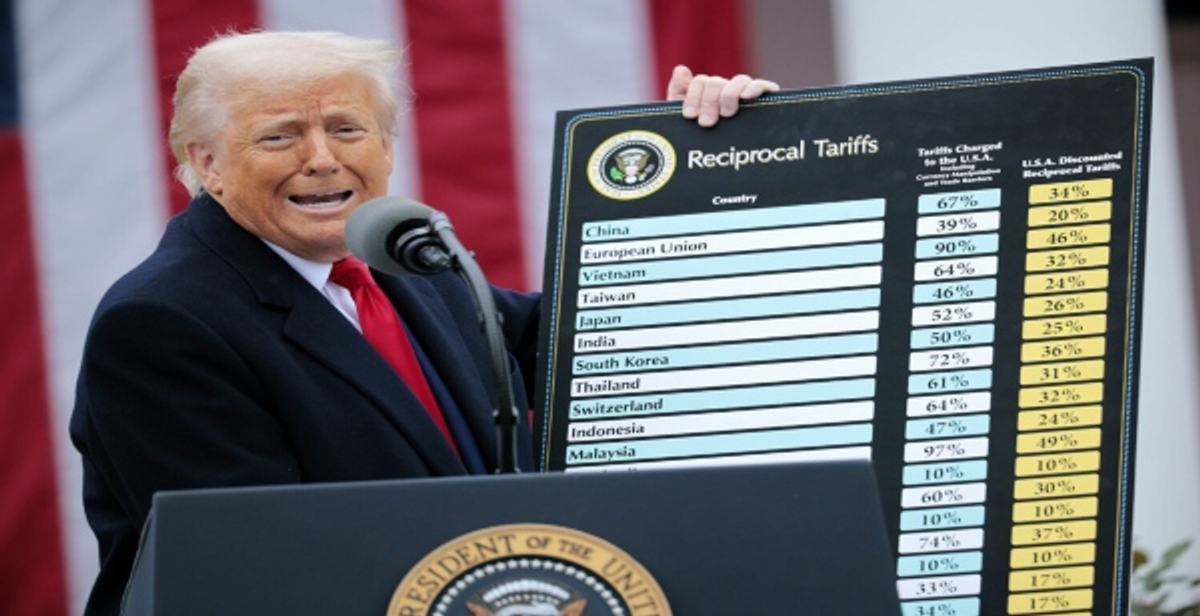
US tariffs risk for exporters and supply chains
Companies with thin margins and high US dependence may feel the most pressure. Businesses that sell into several regions may adjust more easily. At the same time, China is expected to remain central to US concerns. US officials argue Chinese support is large enough to skew competition beyond its borders.
Any new US tariffs could complicate India’s manufacturing goals. India has also pitched itself as a supply-chain option for firms reducing China exposure. If India faces higher duties than rivals, that edge may weaken. The report also said Washington may keep room to lift tariffs later if concerns persist.
The story also carried a standard publisher disclaimer on responsibility for views and advice. It said the views and recommendations are from analysts or entities, not the publisher. It also noted (together referred as "we") does not guarantee accuracy, and does not offer investment advice. Readers were advised to verify information with licensed financial advisors.

 Sign in with Google